

.svg.svg)


Contact us

Last Updated: September 18, 2026
The best meals in any city rarely sit on the main high street. They're tucked behind unmarked doors, hidden in basement kitchens, or buried in neighbourhoods tourists never reach. At Flavours of Manchester, we've spent years exploring the city's culinary landscape, and the real story isn't what you find in guidebooks.
Hidden Manchester eateries offer something tourist hotspots can't: authenticity. Local chefs cook for locals. Prices stay reasonable because foot traffic comes from word-of-mouth, not marketing budgets. The atmosphere feels genuine because the space wasn't designed to impress visitors, it was built to feed a community.
Finding these spots takes strategy, though. You can't stumble into them by accident. This guide shows you exactly how to uncover the off-the-beaten-path dining experiences that make hidden Manchester eateries worth seeking out.
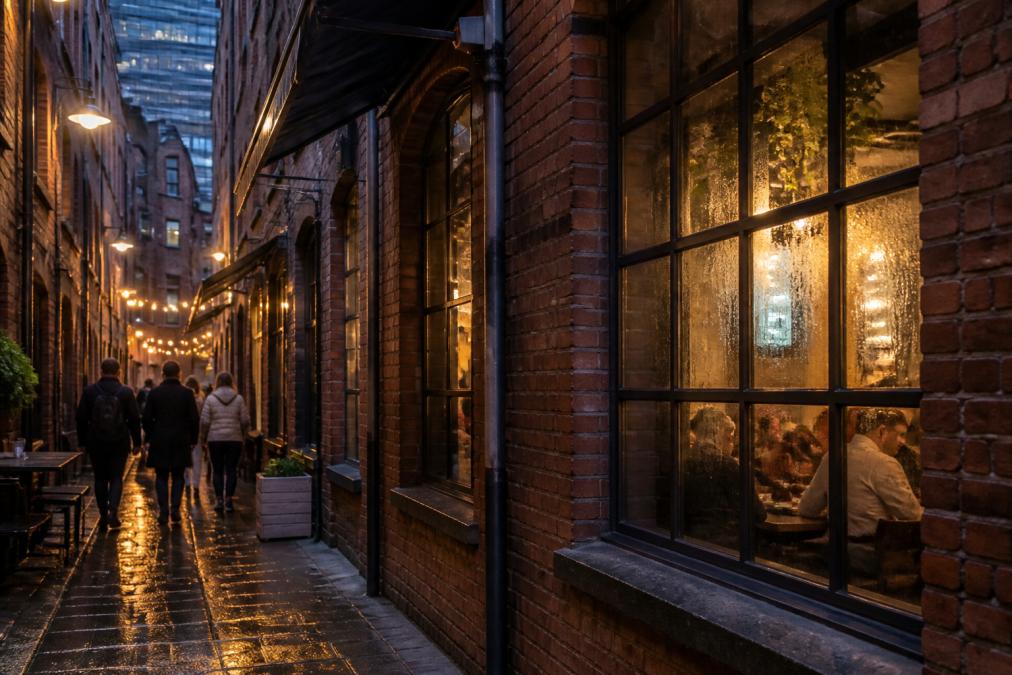
The city centre dominates most visitor itineraries. But the real character lives in the neighbourhoods surrounding it. Each area has its own food culture, independent operators, and local-favourite spots that rarely appear in travel guides.
The Northern Quarter pulses with creative energy. This neighbourhood attracts indie chefs, artisan producers, and experimental cooks. Walk down any back-street and you'll find basement bars, speakeasy-style venues, and hidden courtyards hosting pop-up dinners.
Start by exploring Tib Street and the surrounding alleys. Independent businesses dominate here, small-plates restaurants, craft-drinks bars, and fusion kitchens run by passionate owners. Many operate on a reservation-only basis, which keeps the vibe intimate and exclusive.
Look for neon-lit signs in unexpected places. The Northern Quarter's quirky aesthetic means some of the best venues signal themselves subtly. A single neon arrow pointing down a narrow passage might lead to a tasting-menu restaurant with just eight seats.
Spinningfields has undergone significant change, but genuine indie restaurants still thrive in the back-streets away from the main plaza. The architecture here, Victorian warehouses and narrow alleyways, creates natural hiding spots for intimate dining spaces.
Deansgate's secret-entrance venues deserve special attention. Many operate behind unmarked doors or require knowledge of hidden courtyards to locate. These aren't tourist traps; they're neighbourhood spots that happen to sit near central landmarks.
Walk the side streets rather than main thoroughfares. The difference between a crowded chain restaurant and a curated local favourite is often just one turn away from the main drag.
Ancoats represents Manchester's industrial past reimagined. Old mills now house independent restaurants, artisan food producers, and craft-drinks venues. The neighbourhood's transformation has attracted serious chefs who value authenticity over Instagram appeal.
The area's canal-side locations offer unique ambience. Many hidden-gem restaurants here combine gastronomic excellence with genuine character, no forced rustic aesthetic, just real spaces adapted for dining.
Explore the side streets between major roads. Ancoats rewards wandering. Small independent eateries cluster in converted warehouse spaces, and many remain known primarily to locals.
Digital discovery works when you know where to look. The most effective approach isn't browsing randomly, it's using specific search techniques and platforms strategically to surface hidden gems that don't appear in mainstream guides.
Instagram location tags and geo-tagged posts reveal hidden eateries faster than traditional guides. Rather than searching the city name broadly, search specific neighbourhood tags: "Northern Quarter restaurants," "Ancoats dining," or "Spinningfields independent food." Filter by "Most Recent" to find newly opened or lesser-known spots locals are currently visiting. Follow independent restaurant accounts directly, many announce new menus, limited-time dishes, or reservation-only events through Stories or Reels before updating their main feed. Look for posts tagged with hashtags like #HiddenGemRestaurant, #LocalEats, or neighbourhood-specific tags; these often surface spots that don't invest heavily in marketing.
Google Maps advanced search uncovers hidden spots through review language. Search "restaurants near [neighbourhood name]" then sort by "Most Relevant" rather than "Rating." Read recent reviews (last 3 months) carefully, when customers mention "hard to find," "no signage," "locals only," or "reservation essential," you've identified a genuinely hidden venue. Check the "Photos" tab uploaded by customers, not official restaurant photos; these reveal authentic atmosphere, seating density, and whether the space feels like a neighbourhood spot or a tourist destination. Use the "Open Now" filter during off-peak hours (2-4 p.m.) to find venues that operate unusual schedules, a common pattern for hidden-gem restaurants that cater to locals rather than tourist hours.
Reddit and local community forums connect you directly with residents. The r/Manchester subreddit has active food recommendation threads; search the subreddit for "hidden restaurants," "local eats," or "best [neighbourhood] food" to find existing discussions. Post specific questions: "Where do locals eat in Ancoats?" or "Best independent restaurant in Northern Quarter under £20?" Residents respond with genuine recommendations and often provide navigation tips ("it's down the alley next to the vintage shop"). Local Facebook groups focused on neighbourhood living often have food recommendation threads; search "[Neighbourhood] Community Group" or "[Neighbourhood] Locals" to join these spaces.
Food blogger networks and independent newsletters operate across the city. Search "Manchester food blog" or "Manchester restaurant newsletter" to find creators who focus on independent venues rather than chains. Many publish weekly or monthly guides to newly discovered spots. Substack hosts several Manchester-focused food writers; subscribe to newsletters that explicitly mention "hidden gems" or "independent restaurants" in their description. These creators often have direct relationships with restaurant owners and receive early notice of pop-ups, limited menus, or reservation-only events.
Direct outreach to restaurant owners via social media works better than most people expect. If you find a restaurant's Instagram account but no obvious booking link, send a direct message asking about reservations or current opening hours. Independent operators typically respond within hours. Many hidden-gem restaurants operate by word-of-mouth and social media only, no website, no phone number, so direct messaging is the intended booking method.
The key strategy: follow locals and independent food creators, not travel influencers. Locals discover hidden gems through community networks; influencers discover photogenic restaurants. The gap between these two discovery paths is where authentic hidden eateries live.
Speakeasy-style bars and basement venues create natural mystique. These spaces thrive on discovery, they want engaged customers who seek them out deliberately.
Secret-entrance venues typically advertise through word-of-mouth and social media hints. Look for cryptic Instagram posts from the venue itself. A photo of a door handle might be the only clue to location. This intentional obscurity filters for customers who appreciate the experience.
Basement bars often occupy converted Victorian cellars. The atmosphere, low ceilings, mood lighting, intimate spacing, creates something impossible to replicate at street level. Many serve exceptional cocktails or wine alongside food.
Finding them requires patience. Walk alleys you'd normally skip. Peer down passageways. Notice unmarked doorways. The best hidden-gem venues deliberately avoid obvious signage. Your willingness to explore is part of the experience.
Many speakeasies operate by reservation only. This isn't gatekeeping, it's capacity management for intimate spaces. Contact them through social media or ask locals for booking details.
Walking tours compress months of independent discovery into a structured 2-3 hour experience. A knowledgeable guide familiar with hidden eateries, neighbourhood history, and local food networks shows you spots and introduces you to operators that would take considerable time to find independently.
What makes a quality food tour different from a standard sightseeing walk: guides should connect culinary choices to neighbourhood context. The best tours explain why certain cuisines dominate particular areas (immigration patterns, community demographics, supply chains), how independent operators contribute to neighbourhood identity, and what makes a restaurant genuinely "local" versus a tourist-facing business. A guide who knows the history of a neighbourhood's industrial past, its demographic shifts, and its current food culture provides context that transforms a meal from "nice restaurant" into "understanding how this community feeds itself."
Evaluate tour operators on specific criteria: Look for tours that stop exclusively at independent businesses, if a tour includes chain restaurants or major branded venues, it's missing the entire point of seeking hidden gems. Ask tour operators directly: "How many of your stops are independently owned?" and "Do you work with the same restaurants every tour, or do you rotate to feature different venues?" Quality operators rotate their stops seasonally or monthly to reflect what's currently open and what's worth visiting.
Hidden doesn't mean expensive. Many neighbourhood eateries charge less than central tourist restaurants because their customer base comes from the surrounding community.
Start by exploring residential neighbourhoods like Ancoats, Spinningfields, and the Northern Quarter where locals eat daily. Follow food bloggers and local Instagram accounts focused on independent restaurants. Ask staff at independent shops, bookstores, and coffee roasters for their favourite neighbourhood spots. Join local community groups online where residents share dining recommendations. Walking tours offer structured discovery, combining local knowledge with curated venues you might miss alone.
Seek out family-run, independent businesses rather than chain restaurants. Look for venues without prominent signage on main streets—hidden gems often operate from basements, back-streets, or converted warehouses. Check for restaurants featuring neighbourhood-specific cuisines and small-plates dining. Visit during off-peak hours (Tuesday to Thursday) when you'll encounter more locals than tourists. Use Google Maps reviews filtered by local language to identify where residents actually eat rather than where guides direct visitors.
Yes, Manchester's culinary scene includes reservation-only tasting menus, intimate pop-up dining experiences, and underground supper clubs. These venues often operate from industrial spaces, private rooms, or undisclosed locations. Discovery requires following food culture communities on social media, subscribing to food blogger newsletters, and joining local dining groups. Some operate seasonally or announce dates only to email subscribers. These experiences offer curated, gastronomic menus in unique settings that differ entirely from standard restaurant dining.
Guided tours provide insider knowledge about neighbourhood history, culinary heritage, and venue backstories that enhance your dining experience. Tour guides access venues and tasting portions not available to walk-in diners, saving time and money. Groups experience the social vibe of shared discovery, while guides navigate accessibility routes and handle logistics like reservations. For visitors unfamiliar with the city's geography, tours eliminate the risk of missing genuine local spots or ending up in tourist-focused restaurants disguised as independent businesses.


