

.svg.svg)


Contact us

Last Updated: August 15, 2026
The best meals in this city aren't on the high street. They're tucked into basement bars, hidden down alleyways, and squeezed into spaces most visitors never find. At Flavours of Manchester, we've spent years uncovering these hidden food gems in Manchester, the independent eateries where locals actually eat, where authenticity matters more than Instagram appeal, and where a meal tells you something real about the city's culinary landscape.
This guide focuses on restaurants and cafes that define the city's authentic food culture. Whether you're a long-term resident or a visitor determined to eat like a local, these hidden food gems in Manchester deliver genuine culinary experiences. The restaurants below represent independent eateries and artisan producers that have earned their reputation through word-of-mouth, not marketing budgets. Many serve customers who return week after week. All of them are worth the effort.
| Restaurant | Cuisine | Location | Price Point | Best For |
|---|---|---|---|---|
| Kabana | Indian | Northern Quarter | Budget-friendly | Authentic curry, local favourite |
| Pollen Bakery | Artisan Bakery | Railway Arches | Moderate | Breakfast, sourdough, cruffins |
| Bundobust | Indian Street Food | City Centre | Moderate | Groups, craft beers, vegetarian |
| El Rincón de Rafa | Spanish Tapas | Basement Location | Moderate | Hidden gem, authentic tapas |
| Seoul Kimchi | Korean/Pan-Asian | Off-centre | Moderate | Korean dishes, intimate setting |
| Fat Pat's | Gourmet Sandwiches | Chinatown | Moderate | Lunch, takeaway, creative fillings |
| The Sparrows | European Dumplings | Green Quarter | Moderate | Unique comfort food, pasta |
| Que Hong | Vietnamese | Oldham Road | Budget-friendly | Authentic pho, local community |
| Dining in the Dark | Multisensory Experience | Curated Location | Premium | Adventurous diners, date night |
| Flavours of Manchester | Guided Food Tours | City-wide | See pricing page | Locals & visitors, immersive experience |
These hidden food gems in Manchester were chosen based on authenticity, local reputation, and genuine culinary discovery. We prioritised independent operations where food reflects culinary skill rather than chain standardisation, and considered accessibility by transport, booking ease, and dietary inclusivity. Each restaurant has earned its place through consistent quality and loyal local following, where the food is the draw, not the novelty.
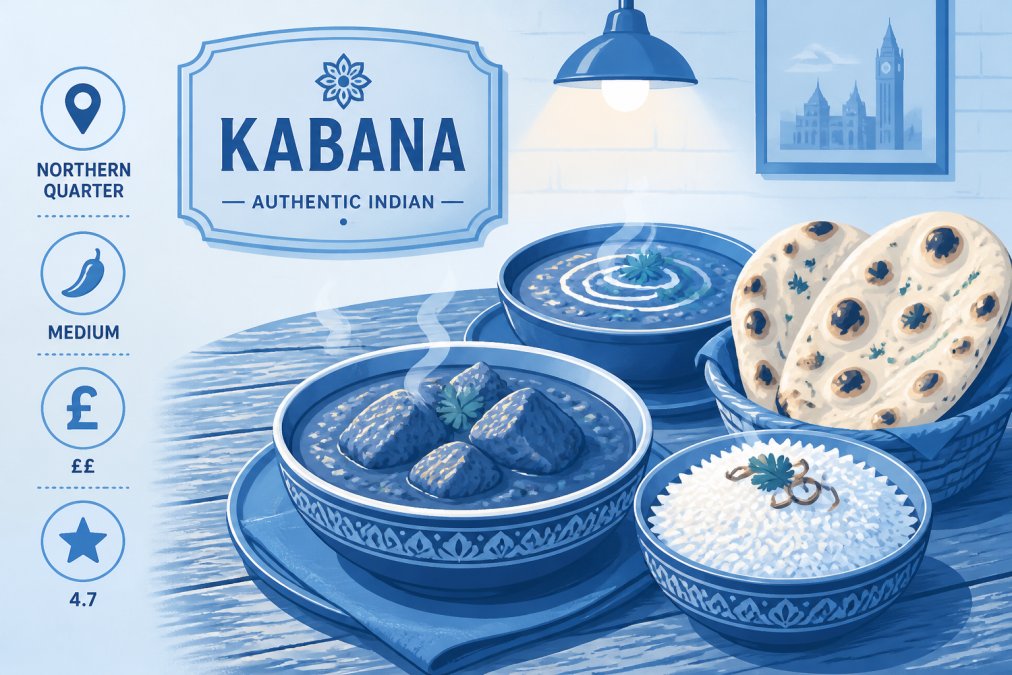
Kabana represents everything a hidden gem should be: authentic, affordable, and run by people who care about the food. Located in the Northern Quarter, you'll find properly made curries, biryani cooked traditionally, and Sunday-exclusive nihari that locals queue for. Prices are genuinely budget-friendly, offering casual neighbourhood dining at its best.
The space feels lived-in rather than designed for aesthetic impact. Tables are close together, the noise level is genuinely social, and you're eating in a place built for locals. Staff move with the efficiency that comes from doing things well, repeatedly.
Pollen Bakery occupies a space in the old railway arches, earning its reputation through exceptional sourdough and their signature cruffin (croissant-muffin hybrid). The coffee is taken seriously, pastries are made in-house, and the whole operation reflects genuine craft. You'll see people queuing before opening on weekends, a reliable indicator that something genuine is happening in the kitchen.
The sourdough has proper crust and crumb structure suggesting correct fermentation and technique. Croissants show skilled lamination. This is craft where the owner's standards are visible in every element.
Bundobust operates at the intersection of casual dining and genuine culinary skill. The menu features small plates meant for sharing, changing the entire dynamic of how you eat. Indian street food is authentic without being reverent, meant to be enjoyed rather than studied.
The craft beer selection is substantial, mostly from independent breweries, transforming this into a proper dining destination. The atmosphere is deliberately casual, designed for groups and social eating. Vegetarian and vegan options receive the same care as everything else.
Finding El Rincón de Rafa requires determination, it's in a basement accessed through an unmarked door. This location isn't accidental; it's part of what makes the experience genuine. The tapas are authentic Spanish, prepared by people who understand the food. The atmosphere is deliberately Spanish, warm, and social.
Prices are genuinely good for what you're getting. The wine list focuses on Spanish wines at reasonable markups. The whole experience feels like discovering something real rather than being sold something.
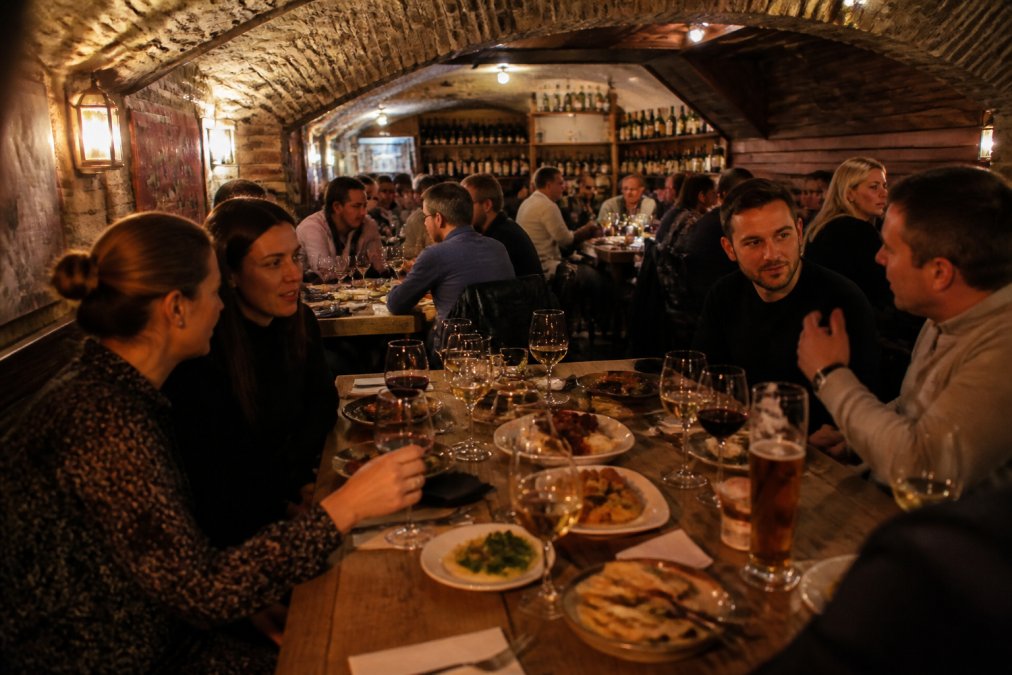
These four restaurants represent different aspects of what makes hidden food gems in Manchester valuable. Each operates independently and has earned its reputation through consistency rather than marketing.
Seoul Kimchi is genuinely small, seating perhaps 20 people. Korean dishes are authentic and properly prepared, bibimbap is made correctly, bulgogi is tender and properly seasoned, sushi is fresh and handled with respect. The space isn't designed for Instagram; the focus is entirely on food. The pan-Asian menu adds range without diluting focus, reflecting genuine culinary knowledge.
Fat Pat's operates from a back alley in Chinatown, building reputation on freshly baked milk rolls with creative ingredients. Bread is made in-house daily; fillings range from hot honey fried chicken to Philly cheesesteak. The pre-order system protects quality. Sandwiches typically range from £8 to £12, reasonable for the quality and freshness.
The Sparrows specialises in European dumplings paired with handmade pasta, including German spätzle, Polish pierogi, and Italian pasta dishes, all prepared with obvious technical skill. Located in Green Quarter's industrial corner, it feels like a genuine neighbourhood restaurant. Main courses typically range from £12 to £18.
Que Hong on Oldham Road represents no-frills authenticity. Vietnamese pho features broth suggesting hours of proper preparation. Spring rolls are fresh and properly made. The space is functional, clientele genuinely mixed, and prices budget-friendly.
Dining in the Dark offers a three-course meal in complete darkness, eliminating visual cues and forcing reliance on taste, smell, and texture. The experience is curated by Fever Originals in collaboration with local restaurants, with menus that change, you don't know what you're eating until you taste it.
Starting from £54 per person, this is premium experience. The value lies in genuine novelty and how removing sight fundamentally changes food engagement. Without vision, you notice flavours and textures normally overlooked. The social dimension of eating with others in darkness creates genuinely unusual shared experience.
The menu includes meat, seafood, and vegan options. The experience typically lasts around two hours.
Discovering these hidden food gems in Manchester takes effort. Most aren't easy to find, many lack prominent online presences, and several require booking ahead. But this friction preserves their character.
To experience these independent eateries properly, understand their stories, get insider recommendations, and discover additional hidden gems, consider joining a guided food tour that focuses on local eateries and Manchester's culinary history. At Flavours of Manchester, our tours combine these hidden food gems in Manchester with storytelling about the city's food culture, its history, and the communities that sustain these restaurants. We cater to individuals, groups, and corporate teams, ensuring you experience the city's authentic culinary landscape rather than its tourist version.
These independent eateries focus on authentic, small-batch cooking and neighbourhood dining experiences. Unlike chains, they often source local produce, feature seasonal menus, and reflect genuine culinary traditions. You'll find family recipes, handmade pasta, fresh-baked bread daily, and vibrant atmospheres created by passionate owners. Many operate from unconventional spaces, basement restaurants, railway arches, or tucked-away corners, which adds to their charm and authenticity. The staff typically know their regulars and can offer genuine recommendations rather than scripted service.
Start by exploring neighbourhood dining areas like the Northern Quarter, which hosts authentic street food and casual eateries. Look for restaurants without obvious signage or those tucked in basements and back alleys, these often indicate off-the-beaten-path gems. Check local food blogs, ask hotel staff or locals for recommendations, and use Google Maps to filter independent restaurants. Many hidden gems don't advertise heavily, so word-of-mouth is crucial. Walking tours that focus on local gastronomy are also excellent for discovering venues you wouldn't find alone.
Most are accessible, though some require a short walk from transport hubs. Venues in the Northern Quarter and city centre are close to Metrolink tram stops and bus routes. Restaurants on Oldham Road and in the Green Quarter may require a longer journey but are still reachable via bus. We recommend checking local transport maps before visiting. Some hidden gems intentionally locate away from main streets, so arriving 10-15 minutes early allows time to find them without rushing. Many welcome walk-ins, though calling ahead ensures your spot and confirms opening hours.
Most independent eateries are flexible and willing to accommodate dietary needs. Bundobust offers extensive vegetarian and vegan options. Korean, Vietnamese, and Spanish restaurants typically have naturally gluten-free or plant-based dishes. Call ahead to discuss requirements; small restaurants often prepare custom meals if given notice. Pollen Bakery caters to various dietary preferences through its pastry selection. Always communicate allergies and restrictions clearly when ordering, as smaller venues may prepare food in shared kitchens. Food tours can also customise experiences around dietary needs if you book in advance.
Most hidden gems accept walk-ins, but booking ahead is wise, especially for dinner service and weekends. Fat Pat's operates a pre-order system to manage demand efficiently. El Rincón de Rafa, Seoul Kimchi, and Que Hong typically welcome walk-ins but can get busy during peak hours. Pollen Bakery attracts queues on weekends, so arriving early improves your chances. For groups or special occasions, always call ahead. Many venues don't have formal websites, so phoning directly confirms availability. Guided food tours handle all bookings and logistics, making them ideal if you prefer a hassle-free experience.
This article was written using GrandRanker


