

.svg.svg)


Contact us

Last Updated: August 22, 2026
A music history walking tour isn't just about ticking landmarks off a list. It's about understanding how a city shaped the sound of generations, and how that sound, in turn, shaped the city itself. Manchester's musical legacy runs deeper than most people realise, woven through decades of punk rebellion, post-punk innovation, and the Madchester movement that defined the late 1980s and early 1990s.
Why take a Manchester music history walking tour? Because the real story lives in the streets, not in a Wikipedia article. The venues where legendary performances happened still stand (or their ghosts do). The neighbourhoods that inspired songwriters still exist. The connections between bands, record labels, and cultural movements become tangible when you're standing in the actual spaces where they unfolded.
At Flavours of Manchester, we understand the power of place-based storytelling. Whether you're exploring our food and drink walking tours or discovering the city's musical heritage, the principle is the same: immersion beats passive consumption. A music history walking tour delivers that immersion through expert local guides who've lived the scene, visited the venues, and collected the stories that never make it into official histories.
The value isn't just nostalgia. It's context. It's understanding why a particular band mattered, what the cultural landscape looked like when they emerged, and how their influence rippled outward. It's learning which venues shaped multiple generations of musicians. It's discovering the neighbourhoods that inspired some of the most important songs of the last fifty years.
The venues that hosted Manchester's most important performances are scattered across the city centre and beyond. Some still operate as live music spaces. Others have transformed into different venues entirely. A few exist now only in photographs and memory.
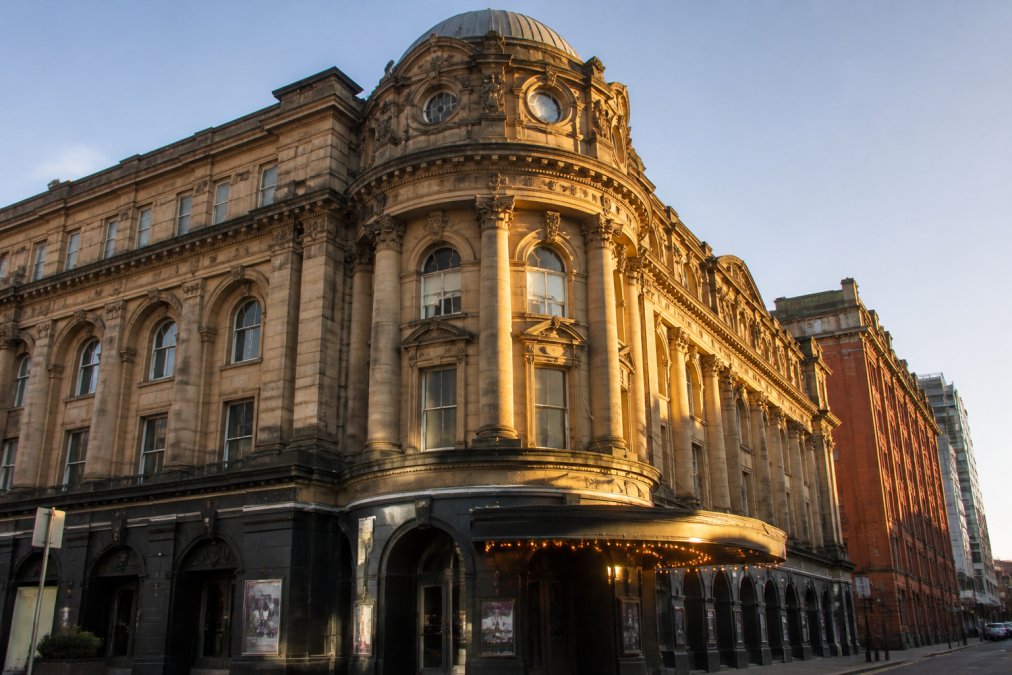
The Free Trade Hall stands as one of the most historically significant. This venue hosted performances that shaped punk and post-punk history. The building's architecture speaks to its heritage, a Victorian concert hall that witnessed everything from classical performances to punk rock rebellion. Standing outside the Free Trade Hall, you're standing at a crossroads where multiple musical movements intersected.
Piccadilly Records remains a working record shop, a physical space where musicians and fans have gathered for decades. Unlike venues that close or change purpose, Piccadilly Records continues to serve its original function. Walking through the shop, you see the same shelves where customers once discovered albums that would influence their own creative work.
The Ritz, now closed as a venue, hosted performances during critical periods of Manchester's musical development. The venue's significance lies not just in who performed there, but in what those performances represented, moments when the city's music scene reached a particular intensity or cultural moment.
Different eras left their mark on different venues. Understanding this geography of sound helps explain how Manchester's musical identity developed in distinct waves rather than as a continuous thread.
The punk era found its home in smaller clubs and DIY spaces. These weren't grand concert halls, they were cramped, sweaty rooms where the energy came from the crowd and the band's raw intensity rather than production value or comfort. The Hacienda, which opened in 1982, became legendary not just for hosting performances but for its role in the Madchester scene (peer-reviewed research). The venue's architecture, a converted warehouse with a distinctive design, became as iconic as the music played within it.
By the late 1980s and early 1990s, the Madchester movement transformed how people experienced live music in Manchester. The Hacienda became the epicentre of this scene, hosting DJ sets and live performances that blended electronic music with live instruments. The venue's design supported this, large open spaces, excellent sound systems, and a capacity for thousands of people dancing together.
Factory Records operated as both a record label and a cultural institution. The label's approach to artist development, album artwork, and marketing influenced not just Manchester's music scene but the broader music industry. Walking past the locations associated with Factory Records, you're encountering the physical manifestation of decisions that shaped how music was produced, packaged, and sold.
Most music history walking tours in Manchester run between 1 hour 45 minutes and 2 hours (visitmanchester.com). This duration reflects a practical balance: long enough to visit multiple significant locations and hear stories about each one, but not so long that fatigue becomes the dominant experience.
In roughly two hours, a typical tour covers approximately two miles of walking (visitmanchester.com). This distance allows guides to move between clusters of venues without excessive travel time. The pace is deliberately measured, you're not rushing between locations. Instead, you're spending time at each stop, hearing the story, understanding the context, and often photographing the space.
What you'll cover depends on the specific tour. A general music history tour might span from the 1960s to the present day, hitting the most significant venues and cultural moments. A specialist tour focused on a particular band (The Smiths, Oasis, Joy Division) dives deeper into fewer locations, providing more detailed stories and context about that band's specific history.
The route typically includes the city centre and the Northern Quarter, the neighbourhoods where most of the significant venues cluster. Some tours venture into suburbs where certain bands originated or where important cultural moments unfolded. The geographical scope helps explain how Manchester's music scene wasn't confined to a single downtown area but spread across the wider urban landscape.
The choice between a guided tour and self-paced exploration shapes what you'll learn and how you'll experience the city.
A guided tour provides expertise. The guide has researched the venues, collected stories, and developed a narrative that connects the locations into a coherent history. They know which buildings have changed purpose, which stories are verified versus rumour, and which details matter most. They can answer questions, clarify context, and adjust the pace based on the group's interest level.
Self-paced exploration offers flexibility. You move at your own speed, spend as long as you want at each location, and choose which sites matter most to you. App-based tours (like the Questo platform) provide structure through puzzles and location-based content while maintaining flexibility. You're not bound to a group's schedule or a guide's predetermined route.
The trade-off is straightforward: guided tours sacrifice flexibility for expertise and narrative coherence. Self-paced tours sacrifice expert context for freedom and control. Most visitors find that the expertise and storytelling of a guided tour justify the reduced flexibility, especially if they're visiting for the first time or want to understand the broader context rather than just see the buildings.
If you're deeply interested in a particular band or era, specialist tours exist that focus exclusively on that subject matter. These tours typically run longer than general music history tours and visit fewer locations, spending more time on each one.
Specialist tours for The Smiths focus on locations connected to the band's history, where they rehearsed, where they performed, where key moments in their career unfolded. A guide who specialises in The Smiths will have studied the band's discography, read interviews, and collected anecdotes about their significance in Manchester's music scene.
Similarly, specialist tours for Oasis, Joy Division, New Order, and The Stone Roses exist. Each provides deep context about that band's development, their relationship to other Manchester bands, and their influence on the broader music industry.
The advantage of a specialist tour is depth. You're not trying to cover fifty years of music history in two hours. Instead, you're exploring one band's story in detail, understanding their influences, their creative process, and their cultural impact. This approach suits fans who already know the band's music and want to understand the human and geographical context behind it.
The most valuable part of any music history walking tour isn't what you could discover through research, it's what you can only learn from someone who's lived the scene or studied it deeply enough to know the gaps in public knowledge.
A local guide knows which venues have changed hands multiple times and how those changes affected the music scene. They know which bands had personal connections to specific locations beyond just performing there. They understand the social geography of Manchester, which neighbourhoods were connected to which musical movements, how the city's physical layout influenced where musicians lived and where they performed.
Local guides often have personal connections to the era they're describing. They might have attended performances at venues that no longer exist. They might have known musicians or venue owners. They might have been part of the scene during a particular era. These personal connections add authenticity and detail that no online source can provide.
The stories guides tell often come from conversations with other people who were there. A guide might know why a particular venue closed, what happened to the building afterward, or how the closure affected the broader music scene. They might know about musicians who moved away from Manchester or who stayed and became part of the city's later musical development.
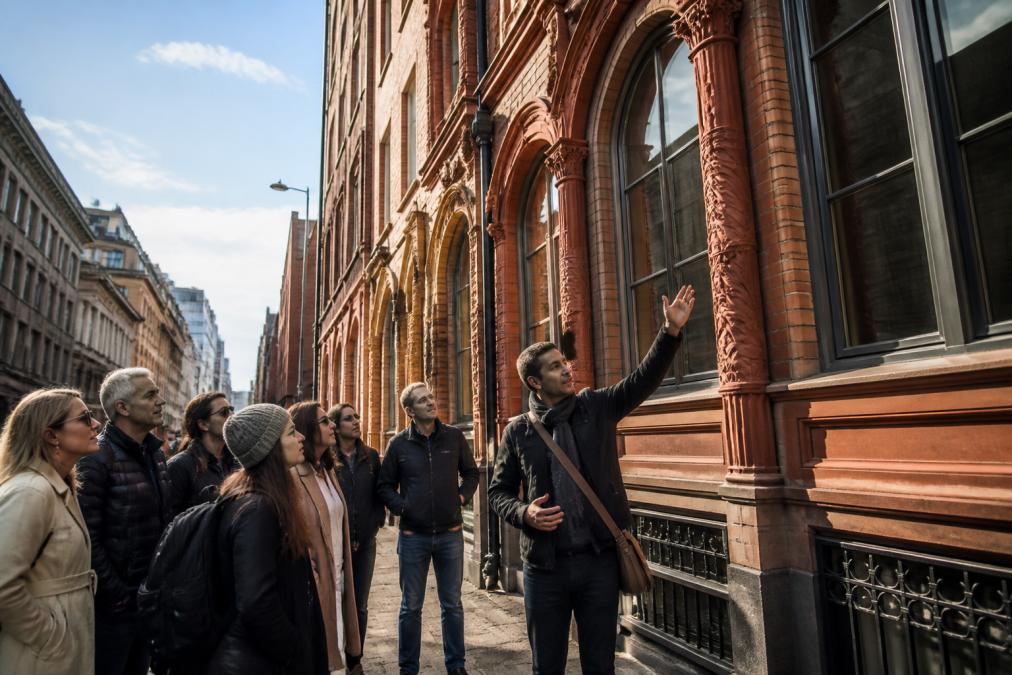
This local knowledge extends to practical details. Guides know which streets have changed names, which buildings have been demolished or significantly renovated, and which locations still look roughly as they did during the era being discussed. They can point out details in architecture, street layout, or neighbourhood character that help you understand what the city was like during different musical periods.
A common assumption is that music history walking tours are primarily for visitors, people from outside the city who want to learn about Manchester's musical heritage. In reality, locals often get as much from these tours as visitors do.
Locals who grew up in Manchester might have lived through one era of the city's music scene but missed others. Someone who was a teenager during the Madchester period might not know much about the punk scene that preceded it. A local who loves Joy Division might never have explored the venues and history connected to later bands like Oasis.
Even locals who know Manchester's music history well often find that a guided tour provides new context and connections. A guide might explain how different bands influenced each other in ways you hadn't considered. They might reveal connections between seemingly unrelated musical movements. They might introduce you to venues or neighbourhoods you thought you knew well but hadn't considered in a musical context.
For visitors, the value is more obvious. A guided tour compresses years of potential research into two hours. It provides context that helps you understand why Manchester's music scene matters in global music history. It shows you physical spaces that connect abstract historical knowledge to tangible reality.
The shared experience matters too. Whether you're a local or a visitor, you're walking through your city (or a new city) with other people who share an interest in music history. This creates a temporary community of people engaged with the same subject matter, which often leads to conversations and connections that extend beyond the tour itself.
A music history walking tour transforms how you understand a city. Instead of seeing Manchester as a collection of streets and buildings, you see it as a landscape shaped by musical creativity and cultural movements. You understand why certain venues matter, how different eras connected to specific neighbourhoods, and how the city's geography influenced the music created within it.
If you're looking to combine cultural exploration with local storytelling, consider how Flavours of Manchester brings this same approach to food and drink, immersive guided experiences that reveal the city's character through its best eateries and bars. Whether you're exploring musical heritage or culinary culture, the principle remains the same: place-based storytelling creates understanding that passive consumption cannot match. More information about Flavours of Manchester's guided experiences and booking options.
Most music history walking tours run between 1 hour 45 minutes and 2 hours, covering approximately two kilometres. This duration allows guides to visit multiple iconic venues and share stories about the bands and movements that shaped the local music scene without rushing. Some specialised tours or private experiences may vary in length depending on your interests and group size.
A guided tour gives you access to expert knowledge, personal anecdotes, and insider stories that aren't available online or on plaques. Local guides share context about why venues mattered, how bands connected to specific locations, and the cultural movements that emerged. They also navigate you efficiently through the city, ensuring you see the most significant landmarks and avoid missing hidden details that enhance your understanding of the musical heritage.
Yes. Even long-term residents discover new angles on familiar places. Guides reveal the behind-the-scenes stories, the reasons certain venues became legendary, and connections between different eras and bands that locals may have missed. Many locals find that a guided tour transforms how they see their own city's cultural legacy, offering fresh perspective on neighbourhoods they thought they knew well.
Tours typically visit the exteriors and locations of iconic venues, studios, and landmarks associated with famous bands. While some venues still operate as live music spaces or bars, others have changed purpose or closed. Tours focus on the historical significance of these locations and the stories connected to them, allowing you to walk where legendary performances happened and understand the geography of the music scene.
This article was written using GrandRanker


