

.svg.svg)


Contact us

Last Updated: August 5, 2026
When you book a food tour, you're investing in a curated experience that blends culinary discovery with cultural storytelling. Understanding what to expect helps you prepare mentally and physically, ensuring you get the most from your time with a local guide.
At Flavours of Manchester, we've designed our food tours to balance authentic exploration with comfort and pacing. Most visitors are surprised by how much they learn about the city's history, innovation, and the people behind the eateries they visit.
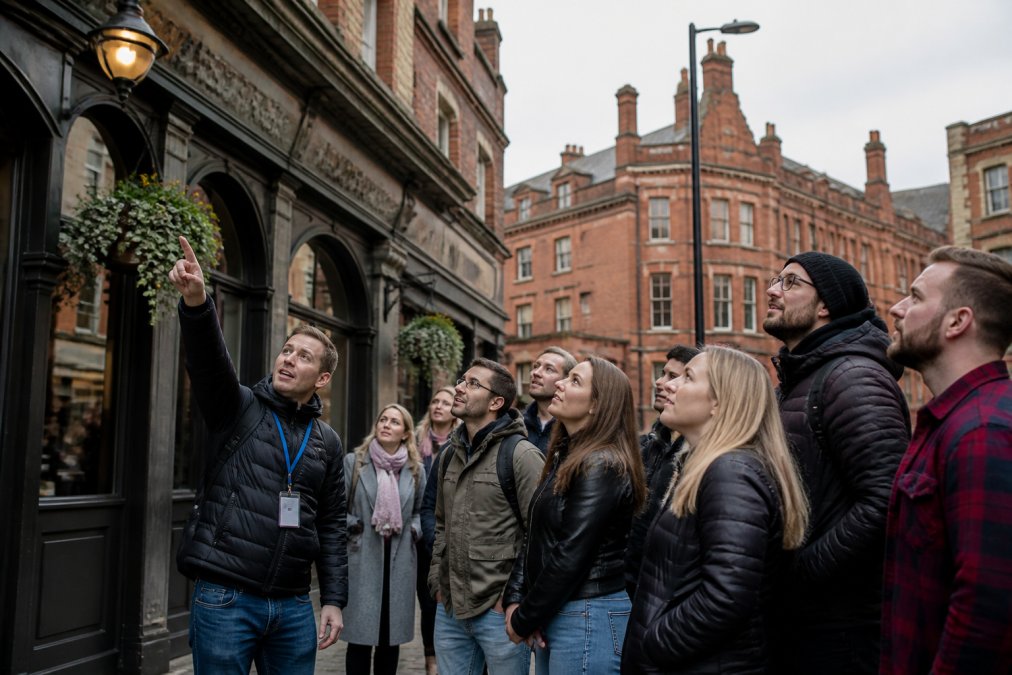
A food tour itinerary follows a deliberate arc. Your guide starts at a central meeting point, then walks through neighbourhoods, stopping at 4-6 venues over 2.5 to 3.5 hours.
Each stop serves a purpose. Early venues introduce the area's character, perhaps a historic market hall or independent bakery. Mid-tour stops build on what you've learned, introducing cuisines reflecting Manchester's multicultural makeup or innovative chefs. The final stop often offers reflection, sometimes with city views.
Your guide explains the history of each dish, the business owner's story, or cultural significance. This context transforms eating into understanding.
Venues are chosen for distinctive offerings, whether representing Manchester's culinary heritage, innovative cooking, or reflecting the city's character. They must accommodate tour groups, prepare tasting portions, handle dietary requirements, and engage with storytelling.
Stops are sequenced geographically and thematically, creating a natural flow through neighbourhoods rather than random jumps across the city.
Most Manchester food tours last 2.5 to 3.5 hours, balancing discovery with physical comfort.
A 2.5-hour tour includes 4-5 stops with 20-30 minutes at each venue, offering a focused introduction to a neighbourhood or culinary theme.
A 3-hour tour, the most common format, includes 5-6 stops. This is the sweet spot, long enough for genuine immersion across multiple neighbourhoods and cuisines, yet not so long that fatigue becomes uncomfortable.
Between stops, you'll walk 5-15 minutes depending on the route. This aids digestion, allows time to process what you've learned, and lets your guide share historical context about the areas you're passing through.
Walking tours require comfortable footwear. Some routes are flatter; others involve hills or cobbled streets. Your guide will communicate physical demands upfront.
At each venue, you'll typically stand or sit for 15-25 minutes. This rhythm, walk, stop, eat, listen, walk again, prevents the experience from feeling rushed or tedious.
Understanding portion expectations is crucial for enjoying a food tour without discomfort.
Most Manchester food tours include 5-6 stops. At each, you'll receive a tasting portion, smaller than a restaurant meal but substantial enough to enjoy. A tasting might be tapas, pizza, soup, a pastry, or a cocktail with a savoury bite.
Across 5-6 stops, you'll consume roughly 1.5 to 2 full meals. This is substantial but manageable. You're not expected to finish everything if you're full.
After 3-4 stops, your palate can become overwhelmed. This is normal and manageable.
Pace yourself intentionally, taste everything, but eat less if full. Hydration matters enormously; drink water between stops. Be honest about your appetite beforehand so your guide can advise which stops to prioritise. The walks between stops aid digestion and reset your appetite slightly.
Group food tours can accommodate dietary restrictions with proper communication.
Inform your tour operator about dietary requirements when you book, not on the day. This gives time to coordinate with venues and plan accordingly.
Be specific: "vegetarian" is clear; "I prefer not to eat too much meat" is harder to plan around. Allergies are treated differently from preferences, critical information for venues to provide safe alternatives.
Manchester's food scene increasingly accommodates specialised diets. Vegan options are standard at most independent eateries; gluten-free alternatives are widely available. However, advance notice is essential.
A good operator will route you through venues matching your requirements, coordinate alternatives with venues, or adjust stops to ensure a full experience. Specialised vegan or gluten-free tours exist if your dietary needs are very specific.
Avoid showing up without mentioning dietary requirements and expecting the guide to solve it on the spot.
Your guide is the difference between eating at multiple restaurants and understanding Manchester through food.
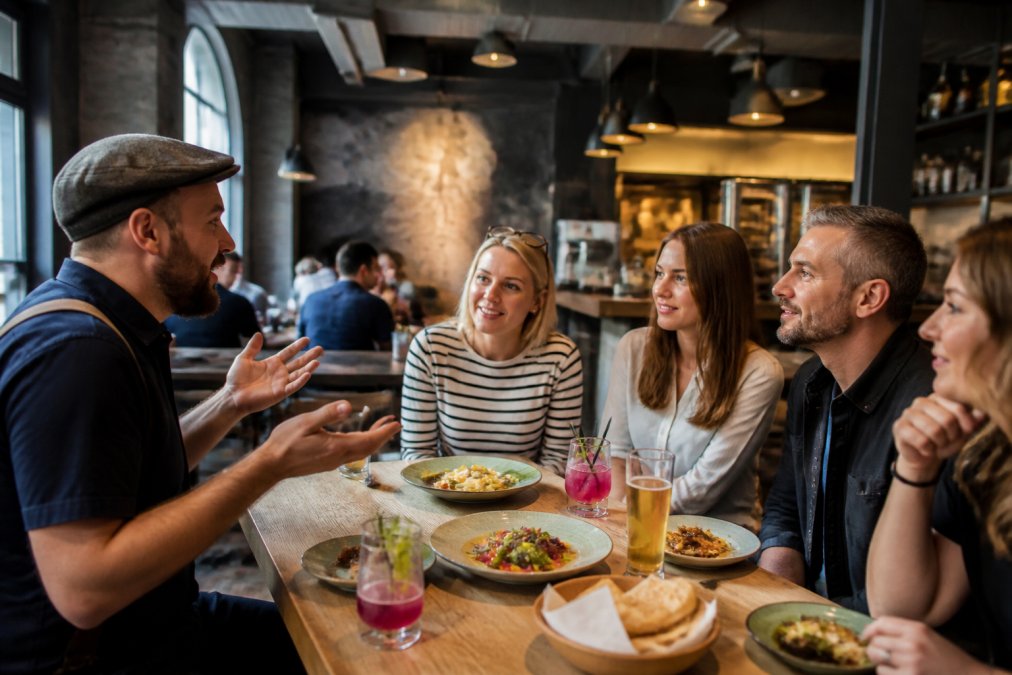
A good guide is part historian, storyteller, and cultural ambassador. They explain why food matters, sharing stories of family businesses operating for decades or how Manchester's textile industry shaped the city's relationship with global trade and immigration, influencing available food.
Your guide reads the group, adjusting pacing based on how people feel, noticing struggles with walking or food volume, and pivoting slightly if needed. They answer questions beyond the prepared itinerary, offering real local knowledge that transforms the tour into genuine conversation.
Food tells a place's story. Manchester's culinary landscape reflects its industrial past, multicultural present, and current reinvention as a creative hub.
Your guide explains how the cotton trade brought spices and ingredients globally, why certain cuisines became established in specific neighbourhoods, and how contemporary chefs build on these foundations. You might learn about the city's Jewish heritage through food, how South Asian communities shaped Manchester's curry scene, or how independent coffee culture has exploded recently.
This context makes food meaningful, you understand how a dish arrived in Manchester, who makes it, and why it represents something important about the city's identity.
Understanding unwritten rules ensures a smooth experience for everyone.
Tipping in the UK is appreciated but not obligatory. For a food tour, tipping your guide is customary if you've had a good experience, though not required.
A typical tip is £3-5 per person for a standard 2.5-3 hour tour, or roughly 10% of the tour cost. This is given directly to the guide at the end. Some operators have tipping systems (cards, apps, or envelopes), so ask if unsure.
Tipping venue staff isn't necessary beyond what's included in the tour price. If staff goes above and beyond, a small tip is nice but not expected.
Stay with your group and don't wander or photograph excessively. Listen when your guide speaks. Respect the space, don't move furniture or treat venues like museums. Engage genuinely with owners and staff sharing their stories. These are working businesses, not tourist attractions.
The right preparation significantly improves comfort and enjoyment.
Comfortable walking shoes are essential. You'll be on your feet for most of the tour on varied surfaces. Trainers, walking shoes, or comfortable casual shoes work well. Avoid heels or flip-flops.
Dress for the weather and season. Manchester's weather is unpredictable, so layering is wise. A waterproof jacket is sensible. Wear clothes allowing free movement and comfortable sitting.
Bring a refillable water bottle or have cash for water. Staying hydrated prevents fatigue and helps digestion manage multiple tastings.
Consider your physical fitness realistically. If you have mobility issues, discuss this with the operator beforehand. Eat something light before the tour, a light breakfast or lunch a few hours prior gives you a baseline without spoiling appetite for tastings.
Yes, for most people, a food tour offers genuine value, but not primarily for the food itself.
Your tour price covers your guide's expertise and time, coordination with venues, route planning, and curation of a meaningful experience. It includes access to venues hard to find independently and insider knowledge about each location.
Food and drink tastings typically represent 40-50% of the value. The rest comes from context, storytelling, and guided discovery. You could visit independently and spend more without learning anything about the venues.
For corporate groups, value extends to team building. For visitors, it's efficiency, seeing multiple neighbourhoods in one afternoon rather than days of random exploration.
Many expect primarily to eat but discover real value lies elsewhere. You meet your guide, a genuine local ambassador. You hear stories about how businesses started, what neighbourhoods have changed, and why certain foods matter to Manchester's identity.
You often meet other participants and discover shared interests. You discover venues you wouldn't find independently, many best independent eateries aren't heavily marketed.
For long-term residents, a food tour offers fresh perspective on familiar streets. You understand their history and significance. After a food tour, you don't just eat in Manchester, you understand it better.
A food tour works best when you approach it with curiosity rather than hunger. Come ready to learn, walk comfortably, communicate your needs clearly, and be present with your guide and fellow participants. Flavours of Manchester's tours balance structure with genuine exploration, pacing with discovery, and sustenance with storytelling. Whether visiting Manchester for the first time or rediscovering your home city, understanding what to expect helps you arrive prepared and leave enriched.
Aspect | What to Expect | Why It Matters |
|---|---|---|
Tour Duration | 2.5-3.5 hours | Allows meaningful stops without excessive fatigue |
Number of Stops | 5-6 venues | Equivalent to 1.5-2 full meals across the experience |
Portion Sizes | Tasting portions (smaller than restaurant meals) | Manageable volume while sampling variety |
Walking Distance | 5-15 minutes between stops | Aids digestion and provides context about the city |
Guide Role | Historian, storyteller, cultural ambassador | Transforms eating into understanding |
Dietary Accommodation | Possible with advance notice | Requires specific communication at booking |
Physical Demands | Moderate (comfortable footwear essential) | Most people can participate; discuss limitations beforehand |
Tipping Guide | £3-5 per person or 10% of tour cost | Customary in UK but not obligatory |
For more information about what to expect on food tours and to book your experience, visit Flavours of Manchester's official website to explore current tour options and availability.
To understand Manchester's broader culinary scene and heritage, the Manchester Food and Drink Festival provides seasonal insights into the city's evolving food culture.
For guidance on dietary accommodations and accessibility in hospitality venues across the UK, the British Hospitality Association's standards outlines best practices that reputable tour operators follow.
Most food tours in Manchester last between 2.5 and 3.5 hours, though this varies depending on the specific itinerary and group size. The duration balances adequate time at each venue for tasting and conversation with manageable walking between stops. Tours are paced to allow you to enjoy the culinary experience without feeling rushed, though you should expect a moderate amount of walking across the city.
Always inform the tour operator about dietary requirements, allergies, and food restrictions when booking. Most food tours, including those in Manchester, can accommodate vegan-friendly, gluten-free, and other specialised diets if given advance notice. Communicate clearly about what you cannot eat so your guide can arrange suitable alternatives at each stop, ensuring you have an authentic culinary experience alongside your group.
Tipping is not mandatory in the UK but is appreciated for good service. If your guide has provided an engaging, knowledgeable experience, tipping £3-5 per person or rounding up the total cost is customary. Some tours may include gratuity in the final price, so check beforehand. Your guide's expertise in sharing Manchester's culinary history and ensuring a smooth experience makes a tip a thoughtful gesture.
Food tours offer genuine value beyond just the food and drink provided. You gain access to a knowledgeable local guide who shares authentic stories about Manchester's culinary landscape and heritage, discover hidden gems you might not find independently, and enjoy curated tasting portions at quality venues. For groups, corporate team-building, or visitors wanting cultural immersion, the experience and connections often justify the investment compared to booking restaurants individually.
This article was written using GrandRanker


