

.svg.svg)


Contact us

Last Updated: August 6, 2026
A good food tour combines knowledgeable local guidance, authentic culinary experiences, and meaningful social interaction into a cohesive journey through a city's food culture. The best food tours educate you about why certain dishes exist, how the city's history shaped its food scene, and what makes local eateries worth visiting. They connect you with the guide, fellow participants, and often restaurant owners or chefs themselves.
What separates a quality food tour is the deliberate combination of several key elements: an intimate guide who knows the city, small group sizes that enable genuine conversation, a pace that allows time to savour food and absorb stories, and an itinerary balancing famous spots with hidden gems locals actually frequent. Most importantly, a quality tour respects your preferences, dietary requirements, and pace rather than forcing everyone through an identical script.
The local guide is the foundation of any quality food tour. Without expert guidance, you're simply eating at restaurants in sequence, not experiencing culinary travel.
A knowledgeable guide transforms meals into stories. They explain why Manchester's Chinatown developed where it did, which dishes reflect the city's industrial heritage, and where immigrant communities shaped the food landscape. They know the history of each venue and can tell you which menu items are worth trying and which are tourist traps to avoid.
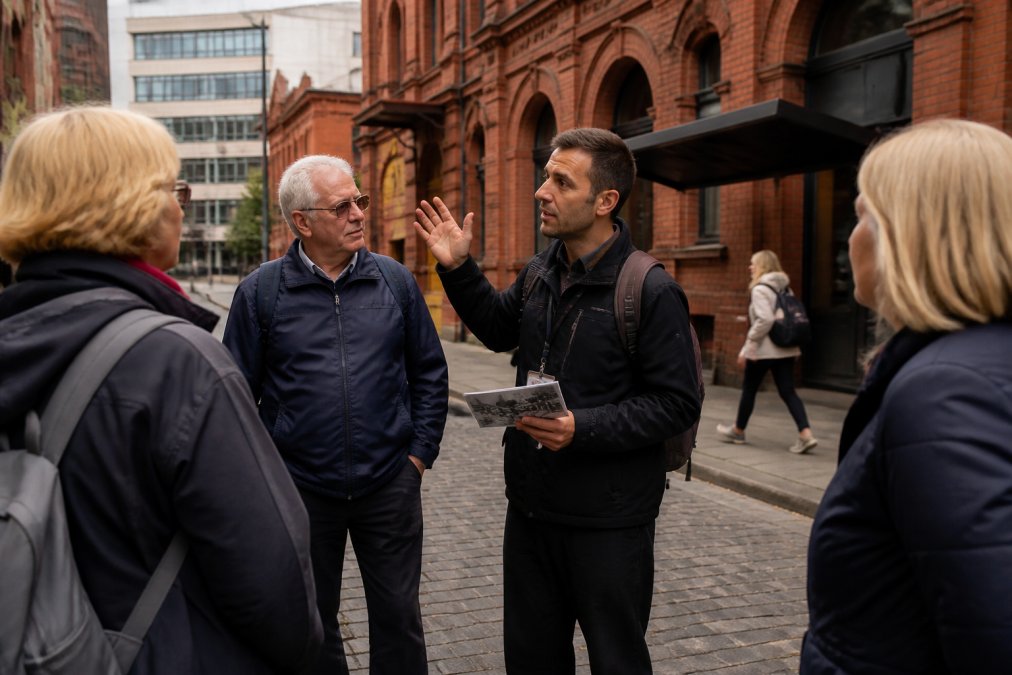
Beyond storytelling, a skilled guide manages the experience. They time stops so food arrives at the right temperature, read the group's energy and adjust pace accordingly, and handle logistics invisibly. They bridge the gap between you and restaurant staff, often securing special tastings or behind-the-scenes access that regular customers wouldn't receive.
Look for guides genuinely passionate about the city's food scene, not reading from a script. The best guides have worked in hospitality, trained under chefs, or spent years exploring local eateries. They should answer specific questions about ingredients and cooking techniques without hesitation. A guide more interested in moving the group along than answering questions is a red flag.
A knowledgeable guide also adapts. They notice if dietary restrictions weren't accommodated and fix it immediately. They pick up on whether the group prefers casual street food or formal dining. This responsiveness separates a good food tour from a mediocre one.
The ideal food tour duration is between 2.5 and 4 hours, depending on the style and depth of culinary experience you're seeking. This timeframe allows enough stops to explore meaningful variety without overwhelming your palate or exhausting your feet.
A 2.5-hour tour typically includes 3-4 food stops plus walking time, working well for introductory tours or those focused on a specific neighbourhood. A 3-4 hour tour accommodates 4-6 stops with more substantial time at each location. This is the sweet spot for most food tours, long enough to feel like a proper culinary journey but short enough that you're not fatigued by the end.
Tours shorter than 2.5 hours feel compressed, with rushed food and limited connection. Tours longer than 4 hours risk palate fatigue; additional stops feel obligatory rather than exciting. The best operators build in natural breaks with walking distances of 10-15 minutes between stops, rather than gruelling hikes.
Consider also the time of day. Evening food tours (6-8pm) work well because you're genuinely hungry. Afternoon tours can feel awkward timing-wise unless positioned as "light tastings." The best tours align their timing with how people actually eat.
A quality food tour accommodates dietary requirements without making it feel like a burden or afterthought. Tours should ask about dietary requirements, allergies, and food preferences when you reserve, not treat dietary needs as complications.
During the tour, dietary accommodations should feel seamless. You shouldn't be singled out or made to feel difficult. The guide should have briefed restaurants in advance, so staff already know your requirements and have something ready. This requires coordination between the tour operator and venues, a hallmark of well-run tours.
Common dietary requirements include vegetarian, vegan, gluten-free, halal, and kosher. The best tours work with restaurants that can genuinely accommodate these with dishes designed for those diets, not just removed ingredients. If you have multiple restrictions or severe allergies, discuss this directly with the tour operator before booking.
Pay attention to how tour operators respond to dietary questions. Dismissive answers suggest they haven't thought this through. Detailed answers with specific examples suggest they've done this many times. Reputable tours don't charge extra for dietary accommodations because they've already factored this into their planning.
A walking food tour combines movement through the city with stops at carefully selected eateries, creating a sensory journey that explores both the food and the neighbourhood context.
You'll start at a designated meeting point where the guide introduces the route, mentions logistical details, and shares what you'll taste. Then you walk, with the guide pointing out architectural details, sharing historical context, and explaining what you're about to experience. The walking isn't just transportation; it's part of the education.
At each food stop, you'll typically spend 20-30 minutes. The guide introduces the venue and dish, you eat and chat, then move on. Some stops are quick tastings at counters; others involve sitting down properly. Between stops, you'll walk again and bond with fellow participants while digesting what you've tasted.
Throughout, the guide narrates stories about the food, chefs, neighbourhood, and Manchester's broader food culture. By the end, you've tasted 4-6 different dishes, learned about multiple venues, heard stories about the city, and often made new friendships with fellow participants.
Recognising poor-quality food tours before you book saves you time, money, and disappointment.
Generic itineraries with no local insight. If the tour description doesn't mention specific restaurants or neighbourhoods, just vague language like "explore local cuisine," that's a warning. Quality tours name their venues and explain why each one matters.
No mention of group size limits. Tours with 20+ participants feel like organised chaos. Good tours cap groups at 8-12 people maximum, ensuring everyone has a genuine experience.
Vague pricing or hidden costs. Tours should clearly state what's included: how many tastings, drinks, tips, and transport. Hidden costs appearing after booking indicate poor transparency.
Dismissive attitudes toward dietary requirements. If a tour operator seems annoyed by dietary questions, they haven't planned properly.
No reviews or testimonials. Quality tours have reviews. Zero online feedback from actual customers is suspicious.
Guides who seem disengaged or reading from scripts. A guide who doesn't make eye contact or seems more interested in moving the group along is a clear sign the tour prioritises speed over quality.
Overpromising on what you'll experience. Tours that claim to show "hidden gems" but take you to obvious tourist restaurants are overselling.
Cheap pricing that seems too good to be true. Tours require coordination with multiple restaurants and knowledgeable guides. Significantly lower pricing suggests corners are being cut.
The difference between a transactional experience and a transformative one comes down to authenticity and group size.
Authenticity means the tour reflects how locals actually eat, not how tourists expect to eat. Authentic food tours include street food and casual neighbourhood eateries alongside polished restaurants. They feature dishes locals genuinely order, not items designed for tourists. The guide takes you where they'd actually eat.
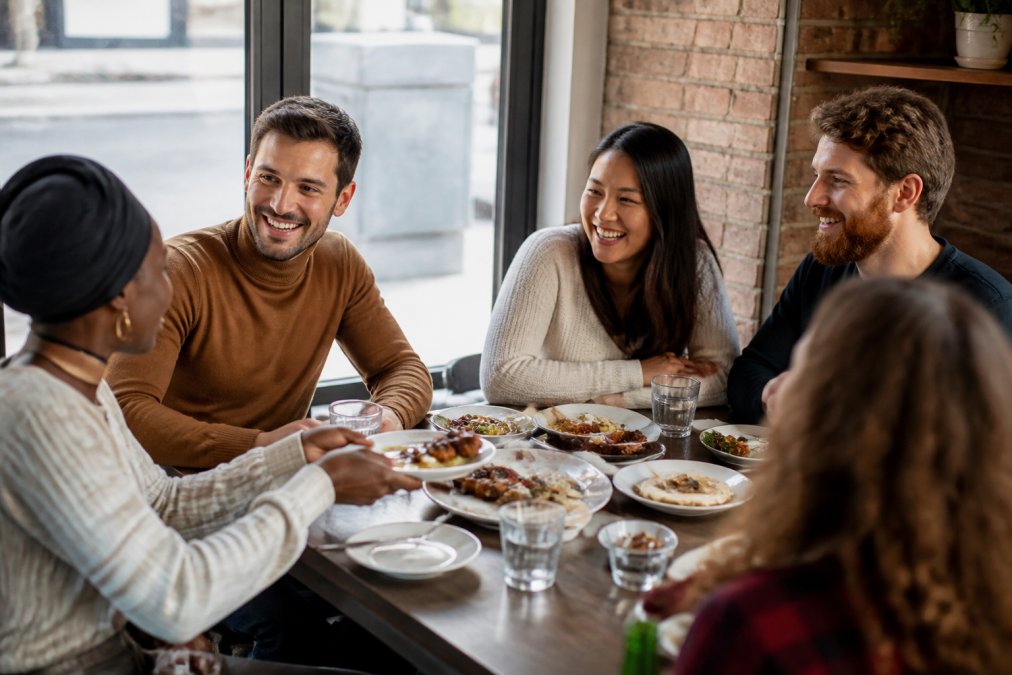
This authenticity extends to the restaurants themselves. The best tours work with owner-operated venues and independent chefs, not chains. You're supporting local businesses and getting food prepared with genuine care. When you meet the owner or chef, their passion is contagious and makes the experience memorable.
Small group size is essential for this to work. With 6-8 people, you can have real conversations and learn fellow participants' names. The guide can spend time with individuals answering specific questions. Restaurants can seat you properly and give you attention. Small groups also allow flexibility; if someone wants to ask the chef a question or the group wants to linger, there's time.
The meaningful connections that emerge from food tours, friendships with fellow participants, relationships with restaurant owners, a deeper sense of belonging to a city, come from these smaller, more intimate experiences. Quality tour operators intentionally keep groups small, work with restaurants they have genuine relationships with, and hire guides passionate about the city and its food scene.
A good food tour is ultimately about perspective. It's a knowledgeable guide showing you your city through the lens of food, culture, and history. It's small-group exploration that respects your preferences and pace. It's authentic venues where locals eat, not tourist traps.
When evaluating food tours, look for these markers. Ask about group size, dietary flexibility, and the guide's background. Read reviews from actual participants. Check whether the itinerary feels curated or generic. Trust your instinct about whether the tour operator seems genuinely invested in your experience.
The right food tour will expand how you understand a city and connect you with its people and stories. At Flavours of Manchester, we've built our tours around these principles: small groups, knowledgeable local guides, authentic venues, and flexibility around your preferences. Whether you're visiting Manchester for the first time or rediscovering your own city, a well-designed food tour reveals layers you'd never find alone. Learn more about our curated Manchester food tours and discover how we combine storytelling, sensory experience, and genuine local connection into an unforgettable culinary journey.
A food tour combines guided walking with curated stops at local eateries and bars. A knowledgeable guide leads your group through the city, sharing stories about the culinary history, regional specialties, and cultural context of each location. You'll taste signature dishes, enjoy drinks pairings, and learn from local artisans and restaurant owners. Most tours last 2-3 hours and cover walking distances of 1-2 miles, with stops built in for tasting and conversation.
The best food tour guides combine deep local knowledge with genuine passion for their city's culinary landscape. They should know the history behind each dish, understand the stories of local business owners, and adapt their commentary to your group's interests. A good guide manages pacing so you're never rushed, encourages questions, and creates an atmosphere where meaningful connections form between guests. They also handle logistics smoothly, ensuring everyone stays together and feels safe.
Quality food tours accommodate dietary needs when informed in advance. Before booking, communicate any allergies, vegetarian, vegan, halal, kosher, or other dietary restrictions. Reputable operators will confirm they can modify the itinerary or provide suitable alternatives at each stop. Ask specifically how they'll handle your requirements—whether the guide contacts venues ahead of time, whether alternatives are included in the price, and what happens if a venue cannot accommodate you. Flexibility here is a sign of a professional operator.
A good food tour justifies its cost through exclusive access, expert knowledge, and curated experiences you couldn't replicate alone. You're paying for a guide's insider connections to local eateries and artisans, their ability to secure tastings that aren't on standard menus, and their storytelling about the culinary history and cultural context. Check reviews specifically for comments about value—whether guests felt the food quality, portion sizes, and guide expertise matched the price. Tours offering genuine cultural immersion and meaningful connections to the destination typically deliver better value than those treating it as a simple restaurant hop.
Wear comfortable, weather-appropriate clothing since you'll be walking for 2-3 hours. Closed-toe walking shoes are essential—food tours involve standing, walking distances of 1-2 miles, and navigating city pavements. Dress in layers, as you'll move between outdoor streets and indoor venues with varying temperatures. Avoid overly formal clothing; food tours are casual, immersive experiences. Check the weather forecast and bring a light jacket or umbrella for Manchester's changeable climate. Comfortable, practical clothing lets you focus on the sensory experience and cultural immersion rather than physical discomfort.
Many operators can arrange corporate events for larger groups, but quality suffers if the tour isn't properly structured. Groups over 12-15 people often split into smaller sub-groups with separate guides to maintain the intimate, immersive experience that makes food tours valuable. Ask potential operators how they manage group size, whether each sub-group gets a dedicated guide, and how they keep everyone engaged and together. A professional operator will discuss logistics, ensure meaningful connections still form, and confirm all dietary requirements can be met across the entire group before confirming your booking.
A curated food tour provides insider access, expert context, and social connection you can't replicate alone. A guide connects you with local artisans and restaurant owners, shares the culinary history and cultural immersion behind each dish, and curates a sensory journey through regional specialties. Tours often secure exclusive tastings, behind-the-scenes access, or dishes not on standard menus. You also meet other food enthusiasts, creating meaningful social connections. The guide handles logistics, pacing, and storytelling, transforming a series of restaurant visits into a cohesive, unforgettable adventure that reveals the destination's food culture in ways independent exploration typically cannot.
The ideal duration for a food tour is 2-3 hours. This timeframe allows enough time to visit 3-5 venues, enjoy proper tastings at each stop, and absorb the guide's commentary without feeling rushed or overstuffed. Shorter tours (under 90 minutes) often feel hurried and don't allow for meaningful connections or cultural immersion. Longer tours (over 3.5 hours) risk fatigue, food overload, and diminishing enjoyment. The walking distance typically covers 1-2 miles, spread across stops where you pause to taste, listen, and interact with local owners or artisans. This pacing ensures a sensory experience that's both satisfying and sustainable.
This article was written using GrandRanker


