

.svg.svg)


Contact us

Last Updated: August 30, 2026
A walking food tour isn't just about eating. It's about moving through your own city with someone who knows where the real food happens: independent cafés tucked behind market stalls, family-run restaurants that don't advertise, bars where locals actually gather. For residents of Manchester and Salford, walking food tours for locals represent something different from the standard tourist experience, a chance to see your neighbourhood through fresh eyes, guided by someone who understands both the food and the stories behind it.
Many long-term residents discover they've been walking past exceptional food businesses without noticing them. A proper walking food tour for locals slows you down, introduces you to producers and chefs you'd otherwise miss, and connects the food on your plate to the city's actual history. You learn why certain cuisines cluster in specific areas, which independent hospitality businesses have operated for decades, and where the food scene is genuinely evolving.
Corporate teams and groups of friends choose these tours because they want an experience that feels authentic, not manufactured. Unlike booking a restaurant table, a curated walking tour combines multiple stops, local knowledge, and storytelling into something you couldn't replicate alone. The guide becomes a local host rather than a server, sharing insights about the neighbourhoods you're walking through and why certain food traditions took root here.
A self-guided walk through Manchester's Northern Quarter or Ancoats gives you freedom and flexibility, but you're making choices without local knowledge. You might miss the best independent producers or walk past hidden gems without recognising them.
A guided walking food tour for locals removes that friction. The route is planned, stops are curated, and the guide knows the owners and understands the food. You're not just eating; you're getting context that transforms the experience from consumption into education.
On a self-guided walk, you're a visitor in your own neighbourhood. On a guided tour, you're being shown something by someone who belongs there. That distinction changes what you notice and remember. Flavours of Manchester structures its tours around this principle: guides share historical context, connect food to the city's industrial heritage, and introduce you to independent hospitality businesses that define the local food scene. Whether exploring the Taste of Two Cities tour connecting Manchester and Salford, or the Cottonopolis tour linking food to industrial history, the emphasis remains on depth rather than breadth.
A typical walking food tour for locals runs three to four hours (the American Academy of Dermatology). The structure balances movement with eating: you'll walk between stops, usually covering a neighbourhood or two, then pause at each venue for a tasting or small course. Most tours include five to six food stops plus two drinks. Portions are designed as tastings rather than full meals, enough to understand what each venue does well without overwhelming your appetite.
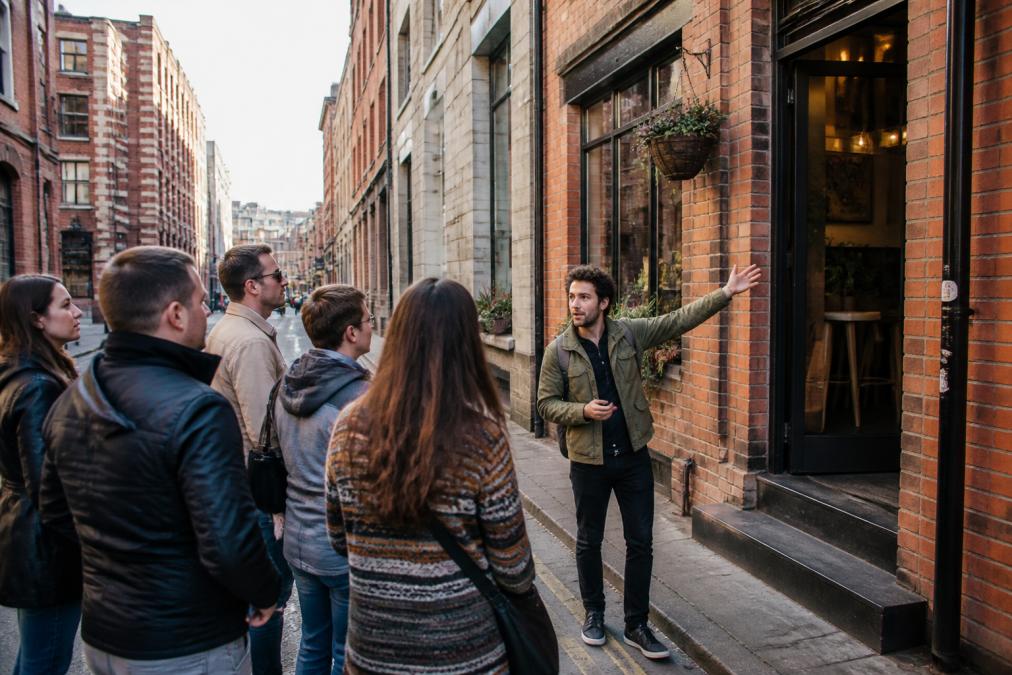
Walking pace is steady but unhurried, giving you time to chat with other participants and take in surroundings. Most tours cover 2-3 kilometres, which sounds modest until you factor in the stops and food (the WHO). You're strolling through neighbourhoods rather than trudging.
Independent hospitality businesses on food tours can usually accommodate dietary requirements. Vegetarian options are standard; many guides arrange plant-based tastings at each stop. Vegan requirements need advance notice; some tours are specifically designed around plant-based cuisine. Allergies require direct communication with the tour operator before booking.
When you book, tell the operator exactly what you need. A good guide will contact venues in advance and adjust the route if necessary. Group tours are less flexible by necessity, but reputable operators build in choices at certain stops.
The standard culinary walking tour duration is three and a half to four hours (the CDC). This length balances eating enough to constitute a substantial experience without exhausting you. You'll consume the equivalent of a full meal across multiple venues.
This duration works because the first hour covers orientation and initial stops, your appetite builds, and by midpoint you're ready for more substantial tastings. The final hour includes the last stops and winds down as you reach satiation. Shorter tours feel rushed; longer ones lead to overeating and fatigue.
Duration also reflects meaningful neighbourhood exploration without the walk becoming the main event. The guide has time to share stories, answer questions, and create immersion rather than just hitting checkpoints. The Taste of Two Cities tour runs toward the longer end because it covers two distinct areas. Private tours typically run three hours but can be adjusted.
A guide knows independent producers without marketing budgets, family-run restaurants relying on word-of-mouth, and bars where locals actually drink. These venues rarely appear on generic "best restaurants" lists because they're serving their community well, not seeking fame.
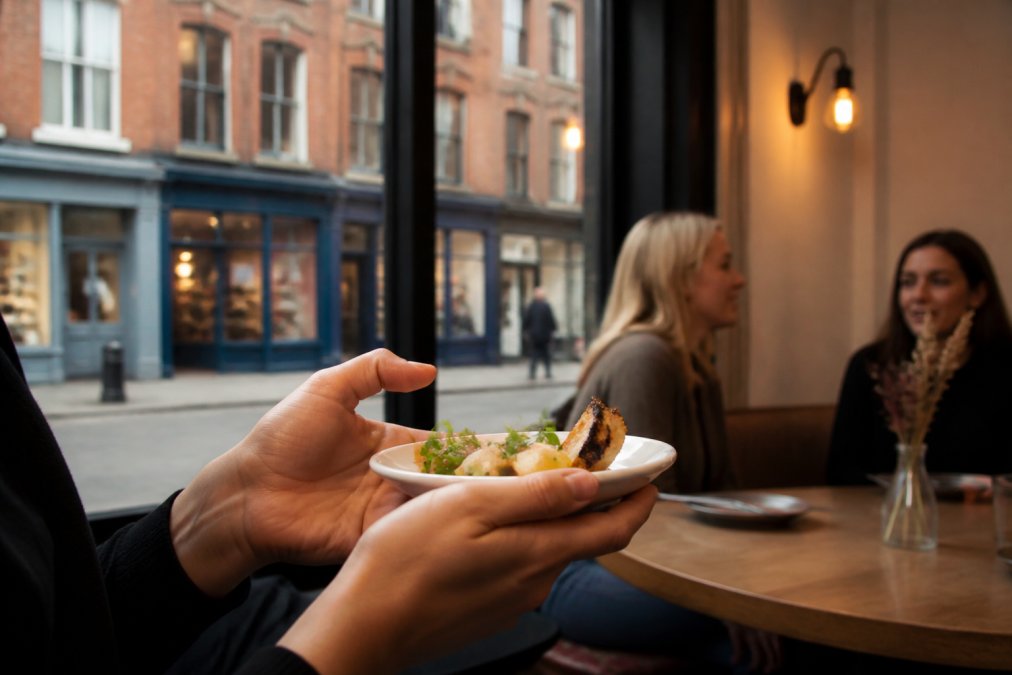
Hidden gems cluster in specific neighbourhoods. The Northern Quarter has independent coffee roasters and small plates venues. Ancoats hosts farm-to-table restaurants and craft producers. Chinatown offers authentic regional specialties. A guide knows not just where these places are, but why they're significant, what the chef trained in, and how they fit into the broader food landscape.
Local producers matter because they represent the city's actual culinary heritage. A market tour reveals suppliers that restaurants depend on: the fishmonger with a specific catch, the baker making sourdough with heritage grains, the cheese maker working with regional producers. You're meeting the people behind the food and understanding the supply chain that creates authentic cuisine.
Seasonal variations shape what you'll discover. Summer focuses on soft fruits and fresh vegetables; autumn brings game and root vegetables; winter shifts toward preserved goods and hearty preparations. A guide structures the tour around what's in season and genuinely good right now.
Group size fundamentally changes the experience. Small groups of up to eight feel intimate; larger groups require more logistics. Most operators cap public tours at 12-15 people, large enough to share costs, small enough to maintain intimacy. Private groups can negotiate size; larger groups of 20 can be accommodated with planning, though the experience becomes more structured.
Booking typically happens online through the tour operator's website. You'll select a date, confirm participant numbers, and note dietary requirements. Payment is usually upfront. Most operators require booking at least a few days in advance.
What's included in the price matters. Most tours include all food tastings and drinks at each stop. Some include a welcome drink or final coffee. You're paying for the guide's knowledge and curated route; venues provide the food, but the operator coordinates access and manages the experience.
Starting location is sometimes revealed only after booking. This allows guides flexibility to adjust routes based on weather, venue availability, or current events. You'll receive the meeting point and time after confirmation, usually 24-48 hours before the tour.
Manchester's food scene shifts with seasons. Spring brings lighter preparations and fresh produce. Summer offers consistent weather, though crowds peak during school holidays. Autumn brings game and mushrooms. Winter shifts toward comfort food, with fewer tourists meaning smaller groups and relaxed pacing.
Weather is the practical constraint. Tours run in all weather, but rain changes the experience. Most tours operate year-round, though some seasonal tours focus on specific ingredients or themes.
Booking patterns reflect this. July and August are busiest. June and September offer good weather with fewer tourists. October and November are pleasant and less crowded. January through March are quietest, ideal for locals wanting a less touristy experience. For a relaxed, local-focused experience, book October through April. For consistent weather, book May through September. For seasonal food at its peak, time your tour to showcase what you want to eat.
If a guided tour doesn't fit your budget, self-guided exploration is viable with planning. Start with a map of independent eateries in a specific neighbourhood and walk a coherent route yourself. You'll spend less and have full control over timing.
Market visits are cheaper and often more educational. Manchester's food markets let you meet suppliers directly. You'll pay for what you eat, not for a guide's time.
Food crawls with friends cost less if you're willing to plan. Choose a neighbourhood, research independent venues, and visit several in one evening. You'll get the multi-stop experience without the guide premium, though you won't have context about the food or neighbourhood.
Themed eating, focusing on a specific cuisine or neighbourhood, reduces costs by narrowing scope. A Chinatown food walk or vegan restaurant crawl is cheaper because you're choosing fewer stops or focusing on lower-cost venues.
The value proposition of a paid tour becomes clear when you consider what you're paying for: a curated route developed over months, a guide with genuine local knowledge, pre-arranged access to venues, and the convenience of not planning anything yourself. A self-guided walk is cheaper, but a guided tour compresses learning and discovery into a single afternoon.
Walking food tours for locals offer something self-guided exploration can't deliver: intention. A guide moves you through your city with purpose, connecting food to history, introducing you to producers you'd otherwise miss, and creating an experience rather than just a sequence of meals. Whether you're a long-term resident discovering hidden corners of your neighbourhood or a visitor wanting to eat like a local, the structure and knowledge a guide provides justifies the cost.
Flavours of Manchester's approach, weaving culinary experience with local history and independent hospitality, reflects what makes these tours genuinely valuable. You're not just tasting food; you're understanding the city through it. That distinction transforms a nice meal into something you'll remember and talk about for years. Visit Flavours of Manchester to explore their tour options and book your experience
Yes. Local residents often discover neighbourhoods they've never explored and independent hospitality businesses they've walked past for years. A guided food tour reveals the culinary heritage and stories behind familiar streets, offering an immersive experience that goes beyond eating alone. Many locals appreciate the curated itinerary, expert local host guidance, and the chance to see their city from a fresh perspective without planning the route themselves.
Expect a structured culinary adventure lasting three to four hours with multiple tasting stops at independent eateries and bars. You'll walk between venues, learn about regional specialties and food history from your local guide, and enjoy a substantial amount of food and drink, often equivalent to a full meal. Tours typically include five dishes and two drinks, with breaks to absorb the atmosphere and stories of each neighbourhood you visit.
Most culinary walking tours involve moderate walking at a leisurely pace, covering several neighbourhoods over three to four hours. The walking distance is manageable for most fitness levels, with frequent stops to eat and rest. Tours are designed for exploration rather than endurance, allowing you to experience the city's layout while discovering hidden gems across different areas. Comfortable footwear is essential, and guides adjust pace based on group needs.
Most walking food tours offer vegetarian options and can accommodate dietary restrictions with advance notice. When booking, inform the tour operator of allergies, vegan preferences, or other dietary needs so they can arrange appropriate alternatives at each tasting stop. Flexibility varies by operator, so confirm dietary accommodations during the booking process.
This article was written using GrandRanker


