

.svg.svg)


Contact us

Last Updated: August 26, 2026
A guided food tour combines culinary exploration with storytelling, taking you through neighbourhoods to taste curated dishes whilst learning about local history and culture. You'll visit multiple independent eateries, street food vendors, and speciality shops, sampling 5-8 dishes over the course of a few hours (peer-reviewed research). The experience blends gastronomy with immersive travel, giving you context around each stop that you wouldn't get ordering alone at a restaurant.
The structure typically involves a small group walking through backstreet areas, stopping at pre-arranged venues where staff expect you. Your guide introduces each location, explains the dish's significance, and shares stories about the neighbourhood's heritage. Between stops, you'll hear about local innovations, the area's transformation over decades, and why certain foods matter to the community.
What separates a strong culinary experience from a rushed one is pacing. A well-designed food tour vs local guides approach differs significantly in how it balances tasting portions with movement. You're not sitting down for full meals, you're experiencing multiple small plates designed to showcase variety without overwhelming your palate. Most tours last 2.5 to 3.5 hours, allowing time for genuine conversation with your guide and fellow participants (peer-reviewed research).

The social dynamic matters too. You're sharing the experience with strangers who become temporary companions. This creates natural opportunities for conversation, about the food, the city, travel experiences. Some people book for this social interaction alone; others come specifically for the culinary education. A well-run tour accommodates both motivations.
A local guide transforms a food tour vs local guides experience from transactional to transformational. They're not reading from a script prepared by head office; they're drawing on years of living in the neighbourhood, knowing shop owners personally, and understanding the cultural shifts that shaped the food scene.
Expert knowledge in this context means something specific: your guide knows why a particular vendor's recipe changed, which family has run a shop for three generations, which dishes are seasonal, and which stories matter to residents versus tourists. They understand the difference between authentic cuisine and what's been adapted for visitor preferences. This distinction is crucial. A guide who's lived locally can tell you what locals actually eat versus what's marketed as "local experience."
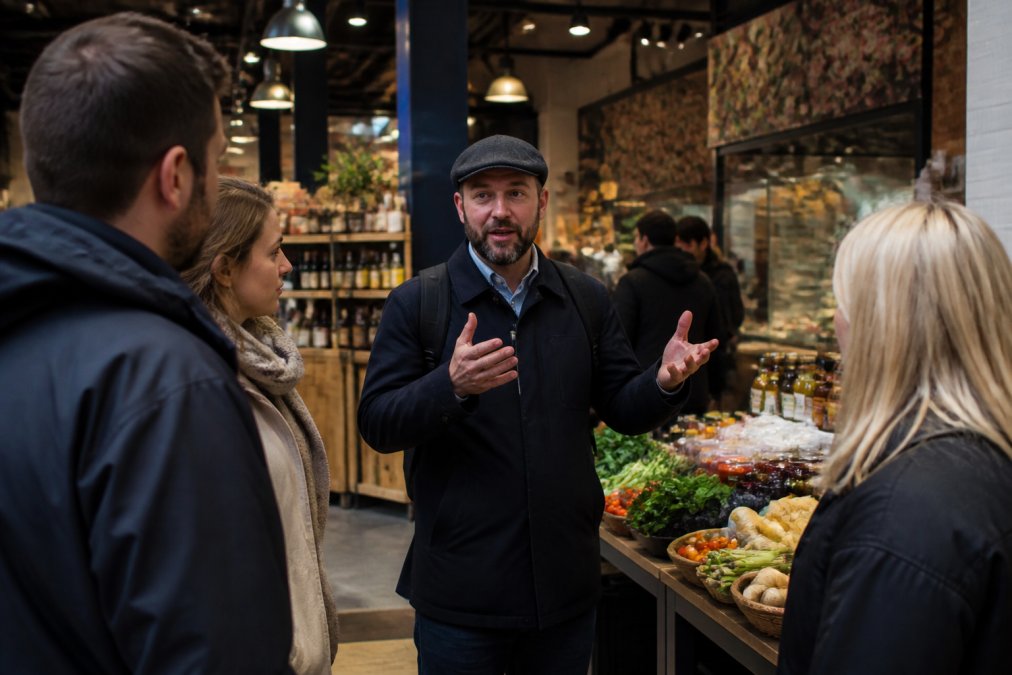
The guide also manages group dynamics, ensuring nobody feels rushed, accommodating questions, reading the room's energy. They adjust the itinerary if a conversation at one stop runs long, or if someone's dietary needs require flexibility. This adaptive approach is impossible with a self-guided route or a rigid pre-booked restaurant reservation.
Consider what you're actually purchasing: not just access to food, but curated access. Your guide has negotiated with vendors, built relationships, and earned trust. They've tested routes, timed transitions, and refined the experience through dozens of iterations. When something goes wrong, a vendor closes unexpectedly, or a dish isn't ready, your guide solves it. You don't.
The ideal duration for a food walking tour is 2.5 to 3.5 hours for most participants (peer-reviewed research). This timeframe balances enough stops to feel substantial (typically 4-6 venues) with enough breathing room that you're not rushing between locations or feeling physically exhausted.
Shorter tours, 90 minutes or less, work only if you're visiting 2-3 stops. They feel incomplete; you're left wanting more context and more food. Longer tours beyond 4 hours start to create fatigue, especially if the route involves significant walking or uneven terrain. Your feet hurt, your palate becomes overwhelmed, and the experience shifts from enjoyable to endurance.
The walking distance matters more than clock time. A 3-hour tour covering 1.5 kilometres feels manageable; the same 3 hours covering 4 kilometres feels arduous. Most well-designed routes cover 1.5 to 2.5 kilometres with frequent stops that double as rest points. You're walking, tasting, chatting, then walking again.
Group size affects pacing too. A tour with 8 people moves differently than one with 20. Larger groups require more time at each stop for everyone to receive their portion and hear the guide's explanation. This is where the food tours vs local guides distinction becomes practical: a professional tour operator has tested group sizes and adjusted timings accordingly. A self-guided route doesn't account for this variable.
| Tour Duration | Typical Stops | Walking Distance | Best For |
|---|---|---|---|
| 90 minutes | 2-3 | 0.8-1.2 km | Limited time, introductory experience |
| 2.5 hours | 4-5 | 1.5-2 km | Standard experience, mixed fitness levels |
| 3-3.5 hours | 5-7 | 2-2.5 km | Deep culinary immersion, food enthusiasts |
| 4+ hours | 8+ | 2.5+ km | All-day experiences, specialized themes |
A common mistake is booking the longest available tour expecting maximum value. In reality, diminishing returns set in around the 3.5-hour mark. You've tasted enough to feel satisfied, learned sufficient neighbourhood history, and made social connections with your group. Adding more stops doesn't proportionally increase enjoyment, it just adds fatigue.
The core question: what are you actually paying for when you book a guided food tour versus exploring independently?
A DIY approach costs less upfront. You walk into restaurants, order what you want, and pay standard menu prices. No guide fee, no curated itinerary, no pre-arranged vendor relationships. On paper, this seems efficient. In practice, you're making real trade-offs.
Your time has value. A DIY route requires research: finding restaurants, checking opening hours, reading reviews, planning a logical walking sequence. This takes hours. You'll likely visit some places that disappoint, miss hidden gems you didn't know existed, and spend time walking to dead ends. A guided tour compresses this discovery work into a pre-tested itinerary.
Vendor access differs significantly. When a guide books you into a restaurant or food stall, staff expect you and have prepared a tasting portion. You're not interrupting their service rush or taking a table from paying customers. You get genuine hospitality. Walking in alone, you're competing with regular diners, and vendors may not accommodate small tastings across multiple stops.
The hidden gems versus tourist traps distinction matters here. A guide knows which backstreet bakeries deliver authentic experience and which spots are marketed heavily to visitors but disappoint locals. DIY research tends toward well-reviewed places on aggregator sites, which often means popular with tourists, not necessarily best quality. This is where local knowledge creates tangible difference.
Group dynamics also shift the equation. Guided tours create natural social interaction. DIY exploration, especially alone, is solitary. If you're seeking social connection or celebrating with friends, a guided experience facilitates this better than independent wandering.
The question isn't whether guided tours are objectively "worth it", it's whether their specific benefits match your priorities. If you value time efficiency, vendor access, social interaction, and curated discovery, the guide fee makes sense. If you prefer total autonomy, flexible timing, and lower costs, DIY works better.
The distinction between authentic culinary experiences and commercialised tourist versions comes down to vendor motivation and guide knowledge.
A hidden gem operates primarily for locals. The menu doesn't cater to visitor preferences; it reflects what the community actually eats. Portions are generous because regulars expect value. Staff aren't trained in hospitality theatre; they're genuinely friendly because they serve the same people repeatedly. These places don't advertise heavily because they don't need to, word-of-mouth sustains them.
A tourist trap, conversely, exists because visitors will pay premium prices for mediocre food if it's marketed as "authentic" or "local favourite." The menu is simplified for unfamiliar palates. Portions are small. Photos on the walls show celebrities or travel influencers. Prices are 30-50% higher than comparable venues serving locals.
A guide who lives locally can distinguish these instantly. They know which vendors have been there for decades versus which opened last year targeting the tour market. They know which dishes are seasonal staples versus which were added because tourists request them. This knowledge is impossible to replicate through online reviews, which tend to conflate popularity with quality.
The culinary storytelling also differs. A genuine local can explain why a specific dish matters culturally, how recipes have evolved, which families perfected particular techniques. A tour guide reading from corporate materials delivers facts; a local guide shares context you couldn't find anywhere else.
Transparency matters too. A reputable guide tells you which stops are more touristy versus which serve locals primarily. They explain trade-offs: "This bakery is busier with visitors now, but the quality hasn't dropped." This honesty builds trust. You understand what you're getting rather than feeling misled.
Group size fundamentally shapes your experience. Tours typically cap at 12-15 people for intimate conversation and manageable logistics. Larger groups fragment into sub-groups; you lose the sense of shared discovery.
Smaller groups (6-8 people) create stronger social bonds. Everyone participates in conversations at each stop. Your guide remembers individual preferences and dietary needs. The pace feels relaxed rather than regimented.
Dietary restrictions require advance notice. A professional tour operator builds flexibility into their itinerary, they've pre-arranged alternatives with vendors or identified stops that naturally accommodate vegetarian, vegan, gluten-free, or allergen-conscious requirements. Last-minute requests create stress for everyone.
Accessibility is where DIY exploration becomes genuinely difficult. A self-guided route with uneven cobblestones, narrow alleys, and steep stairs excludes people with mobility challenges. A guide can identify accessible routes, arrange seating where needed, and communicate accessibility requirements to vendors in advance. Some tours specifically design routes for accessibility; others don't consider it at all.
Physical fitness matters too. A tour advertised as "easy" might still involve 2+ kilometres of walking over uneven terrain. If you have joint issues or limited stamina, this matters. A guide who's walked the route dozens of times can adjust pace, suggest rest stops, and be honest about difficulty level rather than overselling.
The social element cuts both ways. Some people love the group interaction; others find it exhausting. If you're introverted or prefer solo travel, a large group tour might feel obligatory rather than enjoyable. Smaller private tours or self-guided exploration might suit you better.
Choosing between a guided food tour and independent exploration depends on what you value most: time efficiency, social connection, vendor access, and curated discovery versus autonomy, flexibility, and lower costs. A guide transforms food from transactional consumption into cultural immersion, they provide context, relationships, and problem-solving that DIY exploration can't replicate.
At Flavours of Manchester, our guided food and drink walking tours combine these advantages with deep local knowledge of the city's neighbourhoods, independent eateries, and culinary heritage. We handle the route planning, vendor relationships, and group dynamics so you experience authentic gastronomy without the research burden. Whether you're a visitor discovering the city or a local exploring your neighbourhood differently, our curated tours deliver the storytelling and access that make food tours vs local guides worth the investment. Discover Manchester's best eateries and bars whilst immersing yourself in the stories that shaped them. More info and booking.
Food tours offer value beyond the cost of meals alone. A guided food tour provides expert local knowledge, access to hidden gems you wouldn't find independently, curated tastings at multiple venues, and storytelling about the neighbourhood's culinary history and culture. Whether it's worth the investment depends on your priorities: if you value cultural immersion, social interaction, and insider recommendations, a guided tour typically delivers better value than booking restaurants individually. Corporate groups and visitors unfamiliar with the area often find the experience justifies the cost.
Professional food tour companies operate structured itineraries, coordinate with multiple venues in advance, carry insurance and safety protocols, and employ trained guides with consistent expertise. Independent local guides offer flexibility, personalised recommendations, and often deeper neighbourhood knowledge of specific streets or family-run eateries. Tour companies provide consistency and group management; independent guides offer bespoke experiences. Your choice depends on whether you prefer a curated, transparent itinerary or a more spontaneous, tailored exploration.
Look for guides or companies with verified customer reviews, transparent itineraries showing which venues you'll visit, clear information about group size and tour duration, and flexibility around dietary restrictions. Check whether the guide has local expertise in the neighbourhood's history and food culture, not just restaurant recommendations. Ask about guide credentials, whether tastings are included, and what happens if you have allergies or dietary needs. A good tour balances structured planning with some spontaneity, and the guide should be engaging storytellers, not just venue coordinators.
Independent local guides often have deeper personal connections to neighbourhood vendors and can take you to places tourists typically miss. However, authenticity depends more on the individual guide's knowledge and passion than on whether they work independently or for a company. A skilled professional guide employed by an established tour operator may have better training in food safety, accessibility, and customer service, and can guarantee consistency. The most authentic experience comes from a knowledgeable guide, whether independent or company-employed, who knows the food culture intimately and can share genuine stories.
This article was written using GrandRanker


