

.svg.svg)


Contact us

Last Updated: August 7, 2026
A manchester city centre walking tour is an immersive way to explore the city's most significant landmarks, hidden corners, and vibrant culture on foot. Whether you're visiting Manchester for the first time or rediscovering your hometown, a guided walking tour offers far more than simply pointing out buildings, it's a curated journey through the city's industrial heritage, architectural achievements, and contemporary energy.
Walking tours typically combine storytelling with sightseeing, blending historical context with personal anecdotes from knowledgeable guides who understand the city's evolution. You'll move at a comfortable pace through pedestrian-friendly streets, stopping at key locations long enough to absorb their significance without feeling rushed. Most tours include time to explore local eateries, independent shops, and atmospheric bars, the places that reveal what Manchester actually feels like to those who know it.
Flavours of Manchester offers guided food and drink walking tours that weave together the city's cultural heritage with its thriving culinary scene. Their tours go beyond standard sightseeing by anchoring historical narratives to the local businesses and community spaces that define modern Manchester.
Most manchester walking tour experiences last between 90 minutes and three hours, depending on the route's scope and the guide's depth of storytelling. A typical two-hour tour covers the essential landmarks and allows time for stops at key cultural or culinary locations without overwhelming participants.
Meeting points vary by tour operator and route. City centre tours commonly start near major transport hubs like Manchester Piccadilly station or iconic public squares such as St Ann's Square. Some tours begin at specific landmarks, the Town Hall, the Cathedral, or historic market areas, making them easy to locate. Always confirm your exact meeting point when booking, as different routes may have different assembly points.
The walking pace is generally moderate, suitable for most fitness levels, though some routes venture into less-developed areas or involve slight inclines. Tours that incorporate food and drink stops typically move more slowly, with extended pauses at each venue. If you have mobility concerns or accessibility needs, communicate this when booking, many operators can adjust routes or provide alternative options.
Manchester's city centre is layered with Victorian architecture, industrial heritage sites, and contemporary cultural spaces that tell the story of a city that shaped the modern world. The Town Hall, completed in 1877, stands as perhaps the most recognizable symbol of Manchester's civic pride, its Gothic Revival tower dominating the skyline. Most walking tours include time to admire its exterior and learn about its role in the city's governance and cultural life.
The Cathedral Quarter, one of Manchester's oldest areas, contains medieval architecture alongside modern bars and restaurants. Walking through these narrow streets reveals how different eras of the city coexist, cobblestone alleyways leading to Tudor timber-framed buildings sit metres from contemporary glass structures. The Cathedral itself, with roots dating back to the 15th century, offers a quiet counterpoint to the busier shopping and entertainment districts.
The Spinningfields and surrounding warehouse districts represent Manchester's industrial past. These converted cotton mills now house restaurants, galleries, studios, and apartments, exemplifying how the city has transformed its industrial identity. Many tours pause here to explain the mechanics of the cotton trade and Manchester's role in the Industrial Revolution, the context that explains why the city became wealthy and why that wealth shaped its architecture.
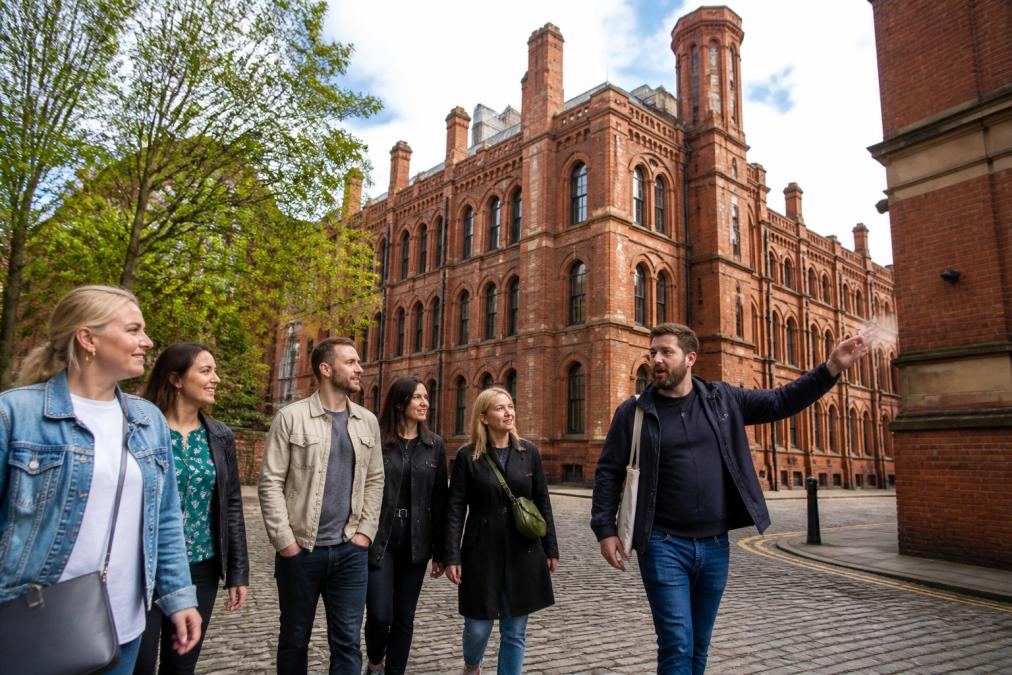
The John Rylands Library, a Victorian Gothic masterpiece opened in 1890, impresses visitors with its soaring interior and extensive rare book collections. Even if your tour doesn't include a full visit inside, the exterior alone demonstrates Manchester's commitment to culture and learning beyond commerce.
Deansgate, the main shopping thoroughfare, connects historic buildings with modern retail and hospitality. Walking this route reveals how Manchester has layered different periods of development, medieval street patterns underlying contemporary commerce.
Beyond the obvious landmarks lie spaces that reveal Manchester's character to those willing to explore. Independent cafés tucked into side streets, vintage record shops, small galleries, and neighbourhood bars form the texture of the city that tourists often miss when following standard sightseeing routes.
The Northern Quarter, just north of the city centre, contains independent bookshops, street art, vintage clothing stores, and casual eateries that attract locals and culturally curious visitors. Walking through this area feels distinctly different from the main shopping districts, the pace is slower, the aesthetic more eclectic, and the sense of community more visible. Many guides include this area in their tours specifically because it's where Manchester's creative energy concentrates.
Chinatown, one of the UK's oldest Chinese communities, occupies a compact area with restaurants, supermarkets, and social spaces that serve both residents and visitors. Walking through reveals authentic culinary options and cultural layers that aren't advertised in mainstream tourism materials.
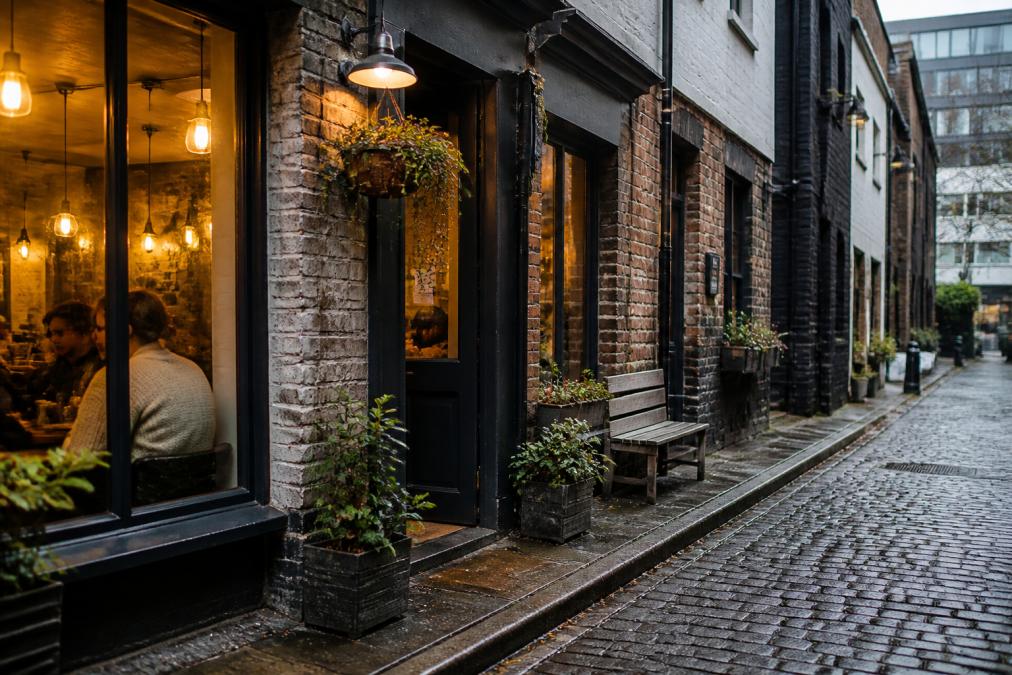
The Corn Exchange, a 19th-century trading hall, now houses independent retailers and food vendors. Its Victorian iron and glass interior, restored to working condition, creates an atmospheric shopping and dining environment that feels removed from chain retail.
Smaller museums and galleries, the People's History Museum, for instance, tell stories about Manchester's working-class and radical heritage, its role in labour movements, and its cultural contributions beyond industrial production. These spaces rarely appear in mainstream tourism guides but offer genuine insight into what made Manchester distinctive.
Flavours of Manchester's tours specifically highlight these overlooked spaces, pairing them with local food and drink venues to create an experience that reveals the city's authentic character rather than its postcard image.
The choice between exploring manchester city centre on your own or joining a guided walking tour depends on your priorities, time constraints, and how much contextual knowledge enhances your experience.
Self-guided walking tours offer maximum flexibility. You move at your own pace, spend as long as you want at locations that interest you, and choose which routes to follow. Numerous free walking route maps are available from the Manchester Visitor Information Centre and online tourism sites. You can follow your interests, focusing on architecture, shopping, food, or specific neighbourhoods, without compromising for group preferences.
The trade-off is context. Without a guide's historical knowledge, you're observing buildings and spaces without understanding their significance or the stories that shaped them. A Victorian warehouse becomes just an old building rather than a physical artifact of Manchester's cotton wealth and the labour systems that sustained it. You might miss connections between different sites or overlook smaller details that illuminate larger themes.
Guided tours provide curated context, expert knowledge, and social connection. A knowledgeable guide explains why buildings matter, how they connect to broader historical movements, and what they reveal about Manchester's character. Group tours create a shared experience and often include introductions to local business owners, café managers, bar staff, restaurant owners, who add personal perspective to the formal history.
Group tours also solve logistical problems. You don't need to plan a route, navigate, or worry about missing key locations. For visitors with limited time or those unfamiliar with the city, this structure is valuable. Guided tours often include stops at venues that aren't obvious tourist attractions but reveal authentic local culture.
The disadvantage of guided tours is loss of autonomy. You move with the group's pace, spend the allocated time at each stop, and follow the guide's chosen route. If you're interested in something not on the itinerary, you'll need to revisit it independently later.
A practical compromise: book a guided tour to understand the city's structure and stories, then spend additional time exploring independently, returning to areas that captured your interest and discovering new ones with the knowledge the guide provided.
Manchester's weather is notoriously changeable. Rain is frequent, particularly in autumn and winter, so waterproof clothing is essential year-round. Summer offers warmer temperatures and longer daylight, but crowds increase correspondingly. Spring and early autumn provide moderate temperatures, fewer tourists, and reasonable daylight for evening tours.
Walking tours operate year-round, but winter tours require more strong weather preparation. Spring and autumn typically offer the best balance of comfort and manageable crowds.
Accessibility is a critical consideration. Much of Manchester's city centre is pedestrian-friendly with relatively flat terrain, but some routes venture into areas with cobblestones, slight inclines, or uneven surfaces. Victorian-era streets weren't designed for modern accessibility standards. Inform your tour operator about mobility concerns when booking, many can suggest modified routes or provide additional support.
Public transport integration matters if you're arriving from outside the city centre. Manchester's Metrolink tram system connects to most city centre areas, and mainline rail services arrive at Piccadilly and other central stations. Plan your journey to arrive with time to spare, tour operators rarely hold departures for latecomers.
Best times depend on your preferences. Weekday tours tend to be smaller and less crowded than weekend tours. Early morning tours offer quieter streets and better photography conditions. Evening tours, particularly those incorporating food and drink, create a different atmosphere, bars and restaurants are busier, the city's lighting changes, and the social energy shifts.
Booking a manchester city centre walking tour requires a few practical steps. Most operators accept online bookings through their websites, with confirmation emails providing meeting point details, start times, and what to bring.
Pricing varies by operator and tour type. Some tours are free or tip-based, operating on the assumption that satisfied participants will contribute what they feel the experience was worth. Others charge fixed prices per person. Food and drink tours, which include venue stops and often complimentary tastings, typically cost more than standard sightseeing tours.
Group size matters. Small group tours (under 15 people) feel more intimate and allow for better conversation with the guide. Larger groups move more slowly and feel more like conventional tourism. Check group size limits when booking if this is a priority.
Flavours of Manchester offers specialized food and drink walking tours that combine cultural history with culinary experience. Their tours cater to individuals, small groups, and corporate teams, with options including "Taste of Two Cities" (exploring Manchester and Salford), "Cottonopolis" (focused on industrial heritage), and "Inspiration, Innovation & Intellect" (exploring the city's creative and intellectual contributions). Corporate packages are available for team-building events, and private tours can be arranged for groups with specific interests.
Booking confirmation should include:
Most operators ask you to arrive 10-15 minutes early. Confirm whether the tour proceeds in poor weather or if it's rescheduled, this varies by operator.
A manchester city centre walking tour transforms passive sightseeing into active exploration, turning the city's streets into a narrative about industrial heritage, cultural achievement, and contemporary vibrancy. Whether you choose a self-guided route with a map or join a guided group, walking reveals details that other forms of transport obscure, the architectural language of different eras, the textures of cobblestones and brick, the rhythm of how locals actually move through the city.
Flavours of Manchester specializes in this immersive approach, combining expert historical knowledge with stops at independent cafés, bars, and restaurants that embody the city's character. Their curated tours reveal both the famous landmarks and the hidden spaces where Manchester's authentic culture lives. Whether you're a first-time visitor seeking to understand the city's significance or a long-time resident discovering familiar streets from a new perspective, a structured walking tour provides context and connection that transforms how you experience the place.
Most guided walking tours in Manchester city centre last between 2 to 3 hours, covering key landmarks and cultural sites at a comfortable pedestrian-friendly pace. The exact duration depends on group size, walking route complexity, and whether the tour includes stops at attractions or food and drink venues. Always check your specific tour's itinerary for precise timing before booking.
A guided walking tour provides expert storytelling about Manchester's industrial heritage, cultural significance and architectural history. A local guide shares insider knowledge about sightseeing highlights and hidden gems you'd likely miss independently. Many tours include curated stops at selected venues, skip-the-line access to attractions, and personalised recommendations tailored to your interests—value that self-exploration cannot replicate.
Yes, self-guided walking tour maps are available and allow you to explore Manchester's city centre at your own pace. However, guided tours offer contextual storytelling, answer your questions in real time, and often include exclusive access or special arrangements at venues. Self-guided options work well if you prefer flexibility; guided experiences suit those wanting deeper cultural insight and curated recommendations.
Many walking tour operators in Manchester offer tip-based or free walking tours where you pay what you think the experience was worth. These tours cover main sightseeing highlights and are led by knowledgeable local guides. Premium guided experiences typically cost more but may include additional stops, food and drink tastings, or smaller group sizes for a more personal experience.
Beyond the major tourist attractions, Manchester's hidden gems include Victorian arcades, independent galleries, historic pubs with character, and lesser-known public squares. Many of these spots are best discovered with a local guide who can share their history and significance. A curated walking tour often reveals these authentic local favourites that standard guidebooks overlook.
Manchester city centre is pedestrian-friendly with mostly flat terrain and good public transport links. Most walking tours cater to general fitness levels, though you should confirm accessibility requirements with your tour operator beforehand. Some tours offer adapted routes for those with mobility concerns. Always ask about walking pace, rest stops and any terrain challenges when booking.
This article was written using GrandRanker


