

.svg.svg)


Contact us

Last Updated: August 14, 2026
A hidden gem restaurant is more than just a place that's difficult to locate. It's an establishment that delivers authentic culinary experiences, genuine hospitality, and a sense of discovery that chain restaurants simply cannot replicate. These are the spots where locals eat, where menus change with the seasons, and where the chef's personality shapes every plate that leaves the kitchen.
What separates a true hidden gem from merely an obscure venue is consistency. The kitchen knows what it does well and refuses to compromise. The staff treats regulars and first-time visitors with equal warmth. The space, whether it's a basement bar, a tucked-away alley entrance, or an industrial corner, feels intentional rather than accidental. You're not paying for Instagram aesthetics or a famous name. You're paying for food that tastes like someone cared about making it.
The best independent restaurants thrive on word-of-mouth precisely because they don't need to shout about themselves. When Flavours of Manchester guides visitors through the city's culinary landscape, we're looking for exactly these places: spots that reveal something true about how locals actually eat, not how tourism boards think they should. These are the restaurants that make you understand a city's food culture in ways that guidebooks never could.
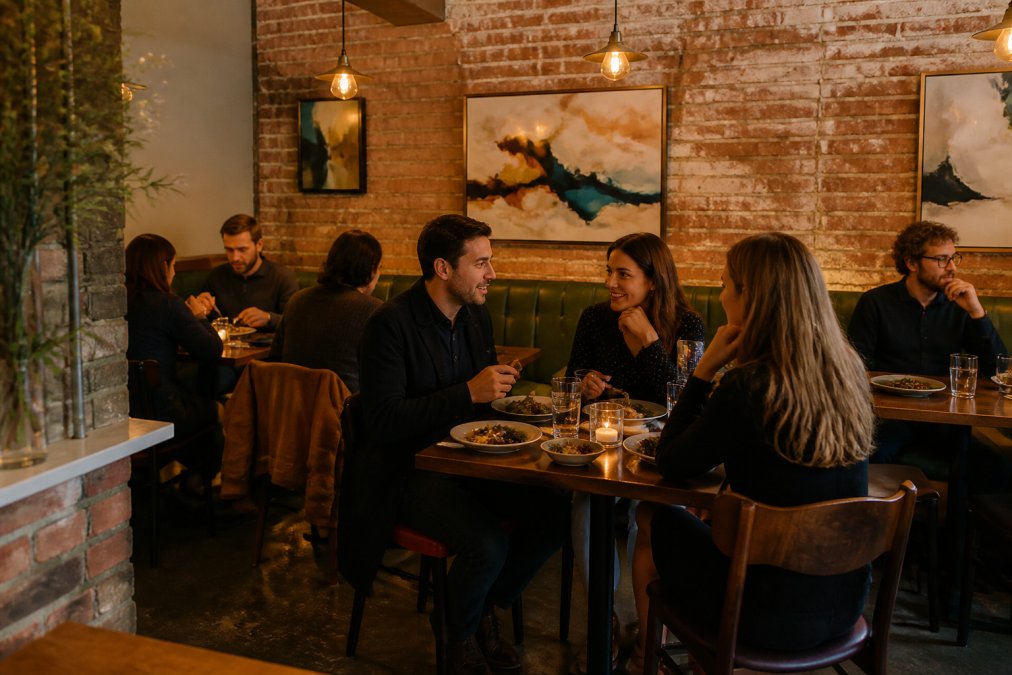
Independent restaurants cluster in unexpected corners, down alleyways, up narrow staircases, inside converted warehouses. They're not on the main shopping streets because rent there would force them to chase volume over quality. Instead, they've found pockets of the city where they can control their own narrative.
The Sparrows sits in the Green Quarter, in an industrial space that feels more like discovering a secret than entering a restaurant. The menu focuses on European dumplings, German spätzle, Polish pierogi, alongside Italian pasta dishes like gnocchi. What makes it work is the blend of traditional recipes with modern technique. You're not eating nostalgia plated up for tourists. You're eating food that respects its roots while refusing to be trapped by them.
This is the kind of place where the location itself becomes part of the experience. You have to want to find it. That barrier to entry filters out the casual passersby and leaves you with a dining room full of people who actually care about what they're eating. The portions are generous, the prices are fair, and the kitchen understands that comfort food doesn't need to be fancy, it needs to be honest.
Suki Suki Street Food & Bar brings Pan-Asian street food into focus with a menu that doesn't try to be everything. Japanese, Thai, and Vietnamese flavours share menu space because they share cooking techniques and ingredient bases. Small plates dominate the offering, which means you can try multiple dishes without committing to a single direction. The portions are generous enough that three or four plates per person feels substantial rather than token.
Que Hong Viet operates as both a deli and restaurant, serving pho and fresh spring rolls to a customer base that's mostly local Asian families. That's your signal that the food is authentic, these aren't dishes designed for Western palates. The broth in the pho has been built over hours. The spring rolls are rolled fresh throughout service. Prices sit well below what you'd pay for similar quality in a more visible location, which means you're getting genuine value rather than paying for ambiance.
Hello Oriental functions as a multi-level food hall with an Asian supermarket on site. The concept creates a different kind of discovery: you're not committing to a single restaurant experience. You can browse the market, grab something from one vendor, sit down, and decide if you want dessert from another. It's chaotic during peak hours, which is precisely why it feels authentic. You're eating where locals eat, navigating the same crowds and queues they navigate.
Some of the city's best meals happen in spaces that require you to descend stairs or squeeze through narrow passages. These aren't gimmicks. The location often reflects the restaurant's history, a basement bar might occupy a Victorian-era cellar, an alleyway entrance might lead to a converted warehouse. The architecture becomes part of the story.
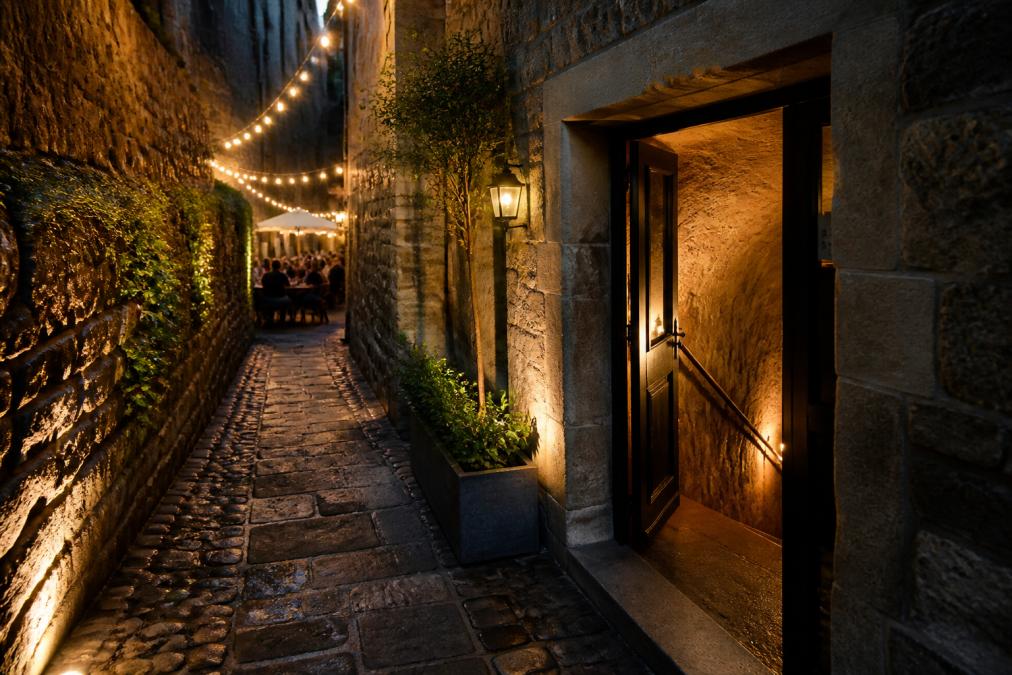
El Rincón de Rafa sits down a back alley in a basement space that feels like you've stumbled into someone's private dining room. The Spanish food is straightforward, good value, tasty execution, no pretence. The atmosphere is what lingers. You're surrounded by people speaking Spanish, eating Spanish food, drinking Spanish wine. For a few hours, the city above doesn't exist.
The basement setting creates intimacy that's almost impossible to achieve in a ground-floor space. There's no street noise, no passersby looking in, no sense that you're part of a larger restaurant scene. You're just there, eating, talking, existing in a small pocket of the city that feels separate from everything else.
Que Hong Viet's location off the main drag is part of what makes it work. You won't find it by accident. You have to know it exists, which means the customer base is people who've been sent by friends, people who've done their research, people who actually want Vietnamese food rather than people looking for a convenient dinner spot.
This filtering effect matters more than it seems. A restaurant surrounded only by people who chose to be there operates differently than one surrounded by foot traffic. The kitchen can focus on consistency rather than speed. The staff can actually engage with tables rather than rushing through service. The whole experience shifts.
Not every hidden gem serves dinner. Some of the city's best food experiences happen at breakfast or lunch, in spaces that feel more like community gathering points than restaurants.
Pollen Bakery near New Islington Marina has built a reputation on sourdough bread and pastries that justify the queues that form outside. The small industrial space near the marina feels intentionally unglamorous, which is exactly why it works. You're not paying for design or service theatre. You're paying for bread that's been fermented properly, pastries with real butter, coffee that's been taken seriously.
Fluffy Fluffy specializes in soufflé pancakes, light, airy, nothing like the dense American-style pancakes you might expect. The dessert-focused menu means you can pop in for something sweet without committing to a full meal. Located a short walk from Canal Street, it's become a destination spot for people specifically seeking this experience rather than a convenient option for people passing by.
Fat Pat's Sandwich Shop operates from a back alley in Chinatown, baking milk rolls fresh daily. The fillings, hot honey fried chicken, Philly cheesesteak, are substantial enough that one sandwich becomes a full meal. The pre-order system means you're building anticipation. You place your order, you wait, you collect something that's been made specifically for you. That's different from grabbing something off a shelf.
Hidden gem restaurants often operate without the infrastructure of larger establishments. That means accessibility and dietary requirements need different approaches.
Most hidden gems cluster within walking distance of major transport hubs, even if they're not immediately visible from the main streets. The Northern Quarter is particularly well-served by bus routes and tram connections. Chinatown sits within a 10-minute walk of Piccadilly Station. The Green Quarter, despite feeling removed, has multiple bus routes that connect to the city centre.
When planning a visit, check transport links before choosing your restaurant. Some tucked-away spots require a 15-minute walk from the nearest tram stop, which matters if you're in heels or carrying mobility concerns. Google Maps' transport directions will show you the actual journey, including walking time and any stairs involved in getting to the location.
Independent restaurants often have more flexibility than chains when it comes to dietary requirements. Call ahead rather than relying on online menus. A kitchen that's genuinely small can usually accommodate allergies and dietary preferences if they know you're coming. What they can't do is adapt on the spot if they're in the weeds.
Many Asian restaurants, particularly Vietnamese and Korean spots, naturally accommodate vegan and vegetarian diets because these options are built into the cuisine rather than retrofitted. Spanish bars often have excellent options for people avoiding gluten, though you'll need to ask. European comfort food restaurants sometimes struggle with dietary variety, so knowing the menu in advance helps.
Popular hidden gems often don't take reservations, or they take them only for groups above a certain size. This creates a genuine barrier to entry during peak hours. The strategy is timing: weekday lunches are almost always quieter than weekend dinners. Arriving between 5 and 6 p.m. (before the main dinner rush) or after 9 p.m. (after the first wave has finished) increases your chances of getting a table without a long wait.
Some restaurants operate on a first-come, first-served basis specifically to maintain their casual character. If a reservation system existed, they'd need to staff differently, change their kitchen workflow, and transform into something more formal. The lack of reservations isn't a bug, it's a feature that keeps the place feeling genuine.
Hidden gems deliver value not because they're cheap, but because they're priced fairly for what you're getting. You're not paying for rent in a premium location, for extensive marketing, or for a famous chef's name. That money stays in the kitchen and on your plate.
Many independent restaurants have secret menus or off-menu options that regulars know about. Ask your server what they'd recommend if budget is a consideration. At Spanish bars, the tapas are often better value than sitting down for a full meal. At Asian street food spots, ordering several small plates costs less than a single entrée at a chain restaurant and lets you experience more of what the kitchen does well.
Fat Pat's sandwiches cost less than a meal at a casual dining chain and are substantially more satisfying. Que Hong Viet's pho is priced so fairly it almost feels like a mistake. These aren't loss leaders, they're restaurants that have decided their margin doesn't require charging premium prices.
The real secret menu isn't a hidden list of dishes. It's understanding that these places exist because someone cares about food more than they care about profit maximization. That care translates directly into what you eat.
Walking into a hidden gem alone is one experience. Walking in with someone who knows the story behind the place, why the chef chose this location, what the signature dish actually means, how the restaurant connects to the broader food culture, is something else entirely.
Flavours of Manchester guides visitors and locals through these kinds of discoveries. Rather than simply listing restaurants, the tours weave together the food, the history, and the people who've built these places. You learn why a particular Vietnamese restaurant operates as a deli, why a Spanish bar chose a basement location, why an artisan bakery's queues form the way they do.
The difference between eating somewhere and understanding somewhere is exactly what these guided experiences provide. You're not just consuming food. You're learning how a city actually eats, what it values, where its culinary identity comes from. That context transforms a meal from a transaction into an experience.
Hidden gem restaurants exist because someone decided that doing one thing well mattered more than doing many things adequately. They're found in unexpected corners because those corners offered space to build something genuine. They survive because people keep coming back, bringing friends, talking about what they've discovered.
The real discovery isn't finding these places on a map. It's understanding what makes them worth finding in the first place. Flavours of Manchester specializes in exactly this kind of guided exploration, combining curated restaurant experiences with the stories that make them matter. Whether you're a long-time resident or visiting for the first time, these hidden gems reveal the city in ways that mainstream dining never could. Explore the culinary landscape with expert guides who know not just where to eat, but why these places matter to how the city actually tastes.
Hidden gem restaurants prioritise authentic culinary experiences over standardised menus. They typically feature independent ownership, locally sourced ingredients, and distinctive atmospheres, often tucked away in basement spaces, back alleys, or industrial corners. These establishments build reputation through word-of-mouth and food critics rather than marketing budgets, creating a sense of discovery that chain restaurants cannot replicate. The focus is on genuine hospitality and distinctive flavours rather than consistency across multiple locations.
Most hidden gem restaurants are accessible via public transport, though some require a short walk from the nearest tram or bus stop. Regarding dietary needs, independent eateries typically offer greater flexibility than chains, many accommodate vegan, gluten-free, and allergen-free requests if you contact them in advance or mention requirements when ordering. However, accessibility varies by venue; some basement or alleyway locations may present challenges for mobility-impaired visitors. Always check the restaurant's website or call ahead to confirm both transport proximity and dietary accommodation.
Walk-in policies vary significantly. Popular hidden gems like Pollen Bakery and Fat Pat's often have queues but don't require advance booking. Others, particularly fine dining hidden gems, may require reservations, especially during evenings and weekends. Budget-friendly street food spots and delis typically accept walk-ins. Your best strategy is to check the venue's website or social media for current booking policies, or arrive during off-peak hours (early lunch or mid-afternoon) to avoid long waits.
Seek out independent eateries in less obvious locations, basement spaces, industrial corners, and back alleys often house the best-kept secrets. Look for restaurants without prominent signage, those popular with the local community rather than tourists, and venues specialising in authentic international cuisine. Food critics and local food blogs frequently highlight these spots. Alternatively, consider guided food and drink walking tours that specialise in uncovering authentic local flavours and stories behind each venue, combining culinary discovery with cultural insight.
This article was written using GrandRanker


