

.svg.svg)


Contact us

Last Updated: September 3, 2026
The cost of eating out has become a genuine concern for most people. Yet Manchester's food scene refuses to be exclusive. The city has built something remarkable: world-class flavours at prices that don't require choosing between dinner and other essentials.
This guide from Flavours of Manchester covers authentic, wallet-friendly food experiences across the city. Whether you're a student stretching a tight budget, a local exploring your own neighbourhood, or a visitor determined to eat well without overspending, Manchester delivers without sacrificing quality or authenticity.
The culinary landscape thrives on independent operators, street food vendors, and family-run restaurants that prioritise flavour over fancy presentation. Many have been feeding the city for decades. They know their craft, source carefully, and price their food to reflect actual costs rather than postcode premium.
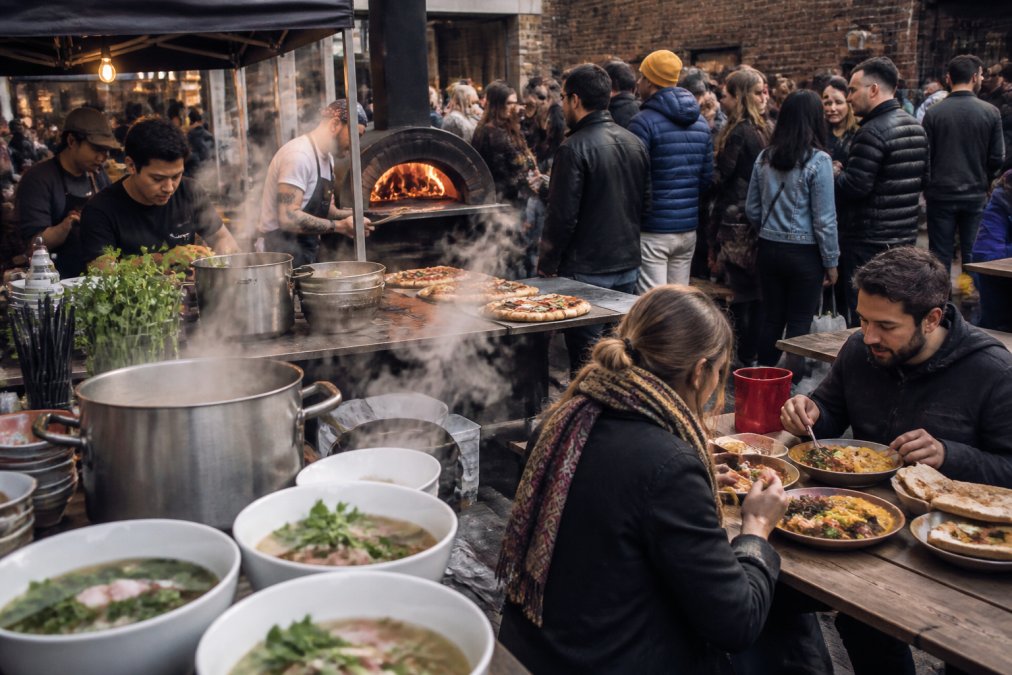
Finding authentic flavour for under £20 is entirely possible in Manchester. The key is knowing where locals actually eat. This & That, Rudy's Neapolitan Pizza, and the Arndale Market's food hall represent three different approaches to serious food at serious value.
This & That operates as a Manchester institution. Choose any three curries from the daily rotating selection, served over rice, for around £6 (visitmanchester.com). That's the actual business model: authentic home-style Indian cooking at volume. The queues at lunchtime tell you everything. Office workers, construction crews, and students line up because the value is real. Curries rotate daily, so regulars discover new dishes constantly. Vegetarian options sit alongside meat curries with consistent quality.
The dining experience is functional rather than atmospheric, but that's where the savings come from. You're paying for food, not décor. Arrive at 1:30 p.m. or after 2 p.m. to avoid peak lunch rushes.
Rudy's Neapolitan Pizza sits in the £8-£10 range per pizza (visitmanchester.com). That's genuinely affordable for Neapolitan pizza. The wood-fired oven, quality dough, and ingredient sourcing all suggest a higher price point, yet pricing remains accessible through high volume and multiple locations.
The pizza is excellent, properly charred crust, quality toppings, that specific Neapolitan texture, and the casual atmosphere means no service charge or table premium. You order at the counter and grab a seat. Peak times can mean waiting 15-20 minutes for a table, particularly Friday and Saturday evenings. Off-peak lunch hours are significantly calmer.
The Arndale Market's food hall operates as a collection of independent street food traders under one roof. Vietnamese, Greek, Indian, and rotating international cuisines share the space. Most meals cost between £4 and £7 (visitmanchester.com). A Vietnamese vendor makes pho the way they learned it. A Greek operator grills souvlaki using refined methods. The food quality doesn't diminish because the price is low; it's low because these traders operate at volume and keep overheads minimal.
Seating gets crowded during lunch. Come mid-morning or mid-afternoon for space easily. The food is worth the minor inconvenience of a busier environment.
Lunch deals that matter are built into the restaurant's actual service model, not tacked on as promotional discounts. That distinction changes everything about what you're eating and the experience you get.
Bundobust specialises in vegetarian and vegan Indian street food. Small plates start at £3, and combo deals run around £9.50. The combo approach is smart: you get multiple small dishes rather than one large plate, creating variety and encouraging sharing. The menu rotates seasonally, and the kitchen treats plant-based cooking as a serious discipline, not an afterthought.
The environment is modern and casual. The real advantage is lunch menu timing. Eat between 12 and 2 p.m. for exceptional value. Evening prices shift upward.
Many casual restaurants in Manchester offer set lunch menus that represent genuine savings compared to ordering à la carte. Zaap Thai Street Food offers lunch specials alongside the full menu. Main dishes typically run £9-£12, and the lunch menu structures multiple courses at a fixed price point.
Express options exist across the city's casual dining scene. Northern Soul Grilled Cheese, for instance, offers sandwiches at £7-£9 that arrive within minutes. The speed doesn't affect quality; it reflects straightforward preparation rather than elaborate plating.
| Venue | Meal Type | Typical Price | Best For |
|---|---|---|---|
| This & That | Indian curry combo | ~£6 | Authentic, filling lunch |
| Rudy's Neapolitan Pizza | Wood-fired pizza | £8-£10 | Quality pizza on budget |
| Bundobust | Vegetarian plates + combo | £3-£9.50 | Plant-based street food |
| Arndale Market | International street food | £4-£7 | Variety and quick meals |
| Zaap Thai | Lunch specials | £9-£12 | Thai street food energy |
| Northern Soul | Grilled cheese sandwich | £7-£9 | Comfort food quick bites |
Walking a city and eating independently teaches you about neighbourhoods. A guided food tour teaches you why those neighbourhoods developed the way they did, which restaurants matter historically, and how the food connects to the city's actual story. That context transforms eating from consumption into understanding.
Flavours of Manchester operates guided food and drink walking tours that weave culinary stops with cultural history. The tours connect what you're eating to Manchester's industrial past, its immigrant communities, and its current creative energy. A bowl of pho becomes more interesting when you understand Vietnamese settlement patterns.
A guided tour operates on a different timeline than solo exploration. The guide controls pacing, so you're not rushing between venues or arriving when the kitchen is slammed. You're eating when the restaurant expects the tour group. The kitchen has prepared for your arrival. The staff understands the group dynamic.
The narrative element matters more than people expect. A guide explains why a particular restaurant matters to the city's food story, discussing the owner's background, the dish's cultural significance, or how the menu reflects current food trends. That information isn't available on a restaurant's website.
Flavours of Manchester offers specialised tours including Taste of Two Cities, Cottonopolis, and Inspiration, Innovation & Intellect. Each tour targets different interests. Cottonopolis connects food to Manchester's textile manufacturing history. Taste of Two Cities explores both Manchester and Salford's culinary scenes. Inspiration, Innovation & Intellect focuses on the city's creative and entrepreneurial culture.
Corporate groups, private parties, and individuals can all book tours. Dietary requirements and preferences are managed during booking. The restaurants on the route accommodate these needs.
Students face a specific constraint: genuine poverty combined with the need to eat well. Manchester's student population has driven the development of budget-friendly food culture.
Bunny Jackson's operates near First Street with absurdly cheap wings starting at 20p and burgers under £10. The wings are properly sauced and seasoned. The burgers are built on decent meat. The pricing is the actual business model: high volume, minimal waste, straightforward operations.
Quick bites dominate student dining because time is as constrained as money. A pho bowl from I Am Pho (typically £8-£10) is ready in minutes and fills you completely. A grilled cheese from Northern Soul (£7-£9) arrives quickly and satisfies completely. Market stalls in Arndale operate on student economics too. A meal for £4-£7 that varies daily keeps the experience interesting without requiring budget flexibility.
Manchester's immigrant communities have created restaurants that serve their own communities first and tourists second. That priority structure changes pricing. A Vietnamese restaurant serving Vietnamese families prices differently than one designed for Western tourists seeking "authentic" Vietnamese food.
I Am Pho operates as a family-run Vietnamese restaurant. Pho bowls typically cost £8-£10. The broth is simmered for hours, the noodles are fresh, and the herbs arrive separately so you can adjust to your preference. The dining environment is basic and functional, but the food quality is genuine.
The restaurant serves Vietnamese families alongside tourists. That mixed clientele means the menu reflects actual Vietnamese preferences rather than Westernised interpretations. The pho is authentic because it's made for people who grew up eating pho. The price remains affordable because the operation is efficient and the volume is high.
Zaap Thai Street Food recreates a Bangkok street food scene with vibrant decoration and high energy. Main dishes run £9-£12, with lunch specials offering better value. The menu extends beyond typical Thai restaurant offerings to include genuine street food preparations: grilled chicken skewers, stir-fried water spinach, and curries built on proper spice layering rather than cream-based approximations.
The atmosphere is intentionally loud and busy. That energy is part of the experience. Eating between noon and 2 p.m. gives you better value than evening service.
The restaurants that matter most to locals often operate without significant marketing. They survive because people return repeatedly.
Pieminister serves award-winning pies at £7-£9. The menu rotates seasonally, and the fillings range from classic British combinations to more adventurous creations. The quality of pastry and filling suggests a higher price point, but pricing remains accessible through consistency and volume rather than premium positioning.
These hidden gems share common characteristics: typically family-run or long-established independent operations, pricing based on actual costs rather than perceived value, loyal local followings, and focus on doing one thing well. Walking through different neighbourhoods, asking locals where they eat, and trying places that look busy but unmarked reveals restaurants that guidebooks miss. Flavours of Manchester's guided tours operate partly on this principle, taking you to places you'd never find independently.
Budget dining doesn't mean accepting poor food or rushed experiences. It means understanding how restaurants operate at different price points and timing your visits accordingly.
Restaurant economics shift dramatically based on time of day. Lunch service operates at different pricing and volume than dinner. Weekday service differs from weekends. Lunch deals exist because restaurants want to fill seats during traditionally slower times. The kitchen can prepare predictable volumes. The staff can move efficiently. Eating lunch instead of dinner at the same restaurant often means paying 30-40% less for the same food.
Weekday dining costs less than weekends at most venues. If your schedule allows flexibility, shifting your dining to off-peak times and days makes a genuine difference to your budget.
Restaurants operate most efficiently when customers order from the core menu rather than requesting modifications. Ordering what the kitchen does best often means better food at better prices.
Vegetarian and vegan options exist across Manchester's food scene, but they're often best at restaurants where plant-based cooking is central to the concept. Bundobust specialises in vegetarian and vegan food. Flexibility with cuisine choices expands your budget options significantly. More venues means more competitive pricing and better value discovery.
Understanding portion sizes helps with budgeting. Some restaurants serve large plates designed for sharing or leftovers. Others serve smaller, refined portions. Asking staff about portion sizes is entirely reasonable and helps you plan.
Discovering Manchester's best affordable food experiences transforms how you understand the city. You move beyond tourist restaurants into spaces where locals actually eat, where food connects to real community and history. That's precisely what Flavours of Manchester's guided food and drink walking tours deliver. You explore the city's vibrant culture through its eateries and bars while learning the stories that make each neighbourhood distinctive. Whether you're seeking individual dining recommendations or a curated group experience that combines food with cultural context, Flavours of Manchester connects you to the city one bite at a time. Visit the website for current tour schedules, group booking options, and specialised experiences tailored to your interests.
A: Guided food tours combine budget friendly food with curated storytelling, local history, and insider knowledge about each venue. Rather than simply booking tables yourself, you gain context about Manchester's culinary heritage and discover spots locals actually frequent. Tours also handle timing and logistics, ensuring you hit peak hours for lunch deals and avoid queues, something difficult to coordinate solo. Group dynamics create a social experience that transforms casual eating into a memorable cultural immersion.
A: Yes. Most affordable eateries in Manchester now offer vegetarian, vegan, and allergen-friendly options. Bundobust specialises in 100% plant-based Indian street food with lunch combos around £9.50. Arndale Market's food hall includes Vietnamese, Greek, and other cuisines with clearly marked dietary info. When booking affordable food tours, communicate dietary needs in advance, guides can adjust routes and explain menu flexibility at each stop, ensuring everyone finds value without compromise.
A: Quality and affordability coexist in Manchester's food scene. This & That delivers authentic home-style Indian curries for around £6 using fresh ingredients. Rudy's serves wood-fired Neapolitan pizzas (£8-£10) using high-quality dough and toppings. I Am Pho offers family-run Vietnamese authenticity with warming broths for £8-£10. The difference is atmosphere and service, casual venues skip tablecloths and reservations, passing savings to you. Portion sizes are generous, and flavour depth rivals pricier restaurants. Value for money here means genuine culinary experience, not compromise.
A: Tours add layers you can't access solo: expert guides share Manchester and Salford's industrial heritage, explain how each venue connects to the city's cultural identity, and handle group logistics so everyone eats together. Tours also unlock insider access, guides know which spots offer lunch specials at specific times, manage dietary requests across multiple venues, and ensure pacing that prevents rushed meals. For corporate teams or groups, tours guarantee everyone stays engaged and no one feels lost. For locals, curated routes reveal neighbourhood connections and stories you'd miss wandering randomly.
This article was written using GrandRanker


